13 Stinging Insects in California That Could Land You in the Hospital

California’s warm climate and diverse ecosystems create perfect conditions for some of the most dangerous stinging insects in North America.
While most encounters result in temporary pain and swelling, certain species can deliver venom potent enough to cause severe allergic reactions, tissue damage, or worse.
Understanding these creatures isn’t just about avoiding discomfort—it’s about protecting yourself and your family from potentially life-threatening situations.
You’ll encounter these insects everywhere from urban backyards to remote hiking trails. Some are aggressive defenders of their territory, while others sting only when directly threatened.
The key is knowing which ones demand immediate medical attention and which can be managed with basic first aid.
Africanized Honey Bees
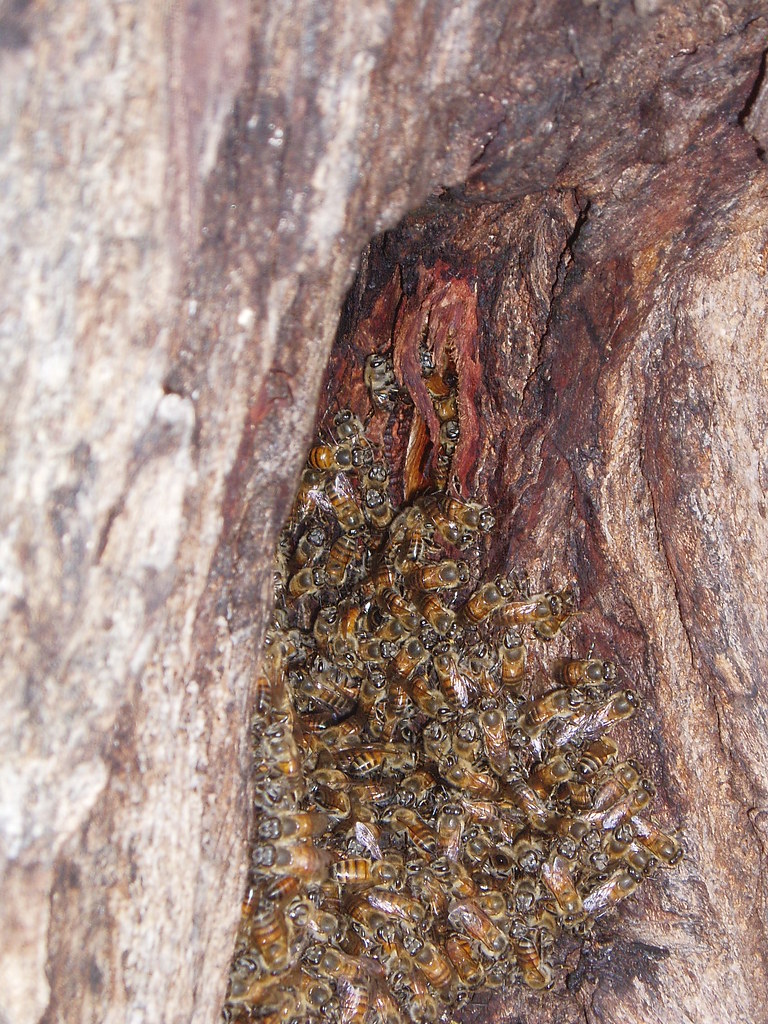
Africanized honey bees, often called “killer bees,” arrived in California in the 1990s and have since established themselves as the state’s most medically significant stinging insect. These bees look nearly identical to European honey bees but exhibit dramatically different defensive behaviors that can turn routine encounters into medical emergencies.
Key Insight: Africanized honey bees are responsible for more emergency room visits in California than any other stinging insect, with their aggressive swarming behavior making single encounters potentially lethal.
The primary danger lies not in individual venom potency—their sting is similar to regular honey bees—but in their aggressive group response.
When threatened, Africanized bees attack in massive numbers, pursuing victims for up to a quarter-mile. This relentless pursuit can result in hundreds or thousands of stings, overwhelming the body’s ability to process venom and leading to systemic toxicity requiring immediate hospitalization.
Common Mistake: Many people attempt to jump into water to escape swarming Africanized bees. This strategy fails because the bees will wait at the surface for you to emerge, and the panic can lead to drowning.
These bees typically nest in wall voids, attics, water meter boxes, and abandoned vehicles. Unlike European honey bees that prefer elevated locations, Africanized bees will establish colonies in ground cavities, making encounters more likely during routine yard work or construction activities.
Medical intervention becomes critical when sting counts exceed 10-15 per 100 pounds of body weight. Symptoms requiring immediate emergency care include difficulty breathing, rapid pulse, dizziness, and widespread swelling beyond the sting sites.
Honey Bees
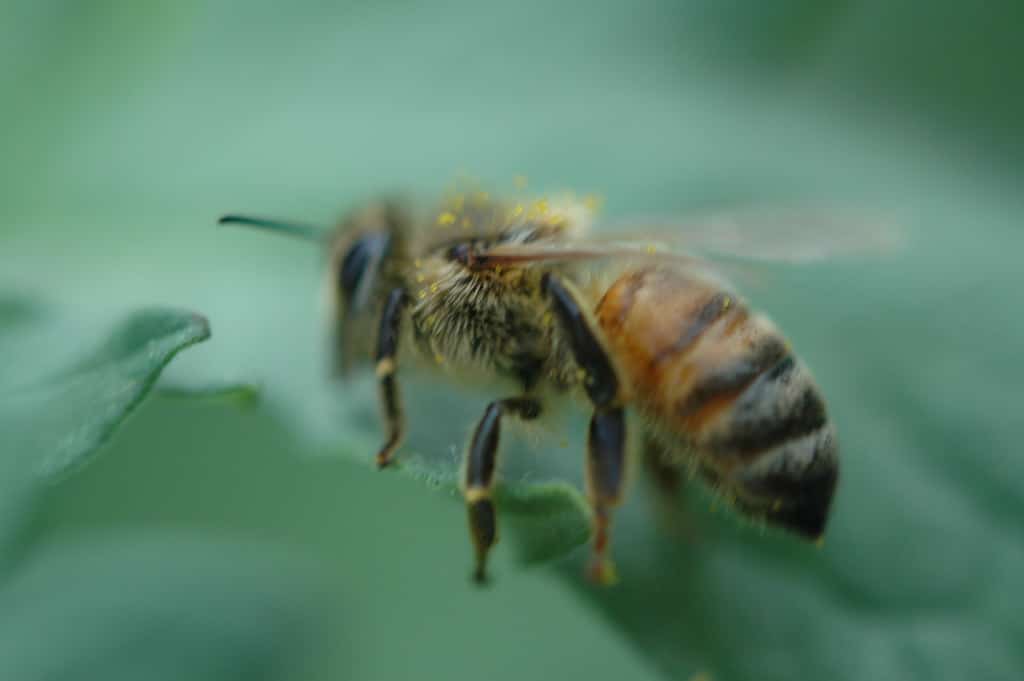
European honey bees remain California’s most beneficial stinging insects, but their defensive capabilities can still send people to the hospital, particularly those with bee allergies. These insects account for thousands of emergency room visits annually, with most serious cases involving allergic reactions rather than venom toxicity.
Pro Tip: European honey bees release alarm pheromones when they sting, attracting other bees to the area. If stung once, move away immediately to prevent additional attacks from responding workers.
A single European honey bee sting delivers approximately 50-140 micrograms of venom containing melittin, phospholipase A2, and other compounds that cause pain, swelling, and cellular damage. For non-allergic individuals, this typically results in localized reaction lasting 24-48 hours. However, people with bee allergies can experience anaphylaxis within minutes of being stung.
European honey bees exhibit less aggressive behavior than their Africanized cousins, typically defending only when directly threatened or when protecting their hive. They prefer nesting in tree cavities, building eaves, and other elevated, sheltered locations. Unlike Africanized bees, European honey bees rarely pursue victims beyond 50-100 feet from their colony.
The barbed stinger remains embedded in human skin, continuing to pump venom for up to 10 minutes after the initial sting. Proper stinger removal involves scraping rather than pinching, as pinching can inject additional venom into the wound.
Recognition of allergic reactions is crucial: hives beyond the sting site, facial swelling, difficulty breathing, or rapid pulse indicate anaphylaxis requiring immediate epinephrine administration and emergency medical care.
European Hornets

California’s European hornet population continues expanding northward from established colonies in Southern California, bringing with it the largest and most painful wasp sting in North America. These formidable insects measure up to 1.5 inches long and pack venom that can hospitalize even healthy adults through sheer pain intensity and local tissue damage.
Important Note: European hornets are the only hornets that remain active after dark, making them particularly dangerous during evening outdoor activities when visibility is poor.
European hornets inject 2-5 times more venom per sting than common wasps, with each injection containing high concentrations of acetylcholine—a compound that amplifies pain signals to extreme levels. The initial sting produces immediate, intense burning pain followed by rapid swelling that can encompass entire limbs when stings occur on hands, fingers, or feet.
These hornets build large paper nests in tree hollows, wall voids, and attics, with mature colonies housing 400-700 individuals by late summer. Unlike smaller wasps, European hornets actively defend territory within 300 feet of their nest, making accidental encounters common during yard work or hiking activities.
| European Hornet vs Common Wasp Comparison | |
|---|---|
| Size | 1-1.5 inches vs 0.5-0.75 inches |
| Venom Volume | 2-5x more per sting |
| Pain Level | Severe (8-9/10) vs Moderate (4-6/10) |
| Active Hours | Day and night vs Day only |
| Nest Size | 400-700 individuals vs 50-200 individuals |
Multiple stings from European hornets frequently require emergency medical treatment due to systemic venom effects. Symptoms warranting immediate hospital evaluation include severe localized swelling, spreading red streaks, fever, and signs of infection. The combination of tissue damage and bacterial introduction through the large stinger often leads to secondary infections requiring antibiotic treatment.
Medical professionals recommend seeking treatment for any European hornet sting that produces swelling beyond a 4-inch diameter or shows signs of increasing inflammation 48 hours post-sting.
Red Wasps
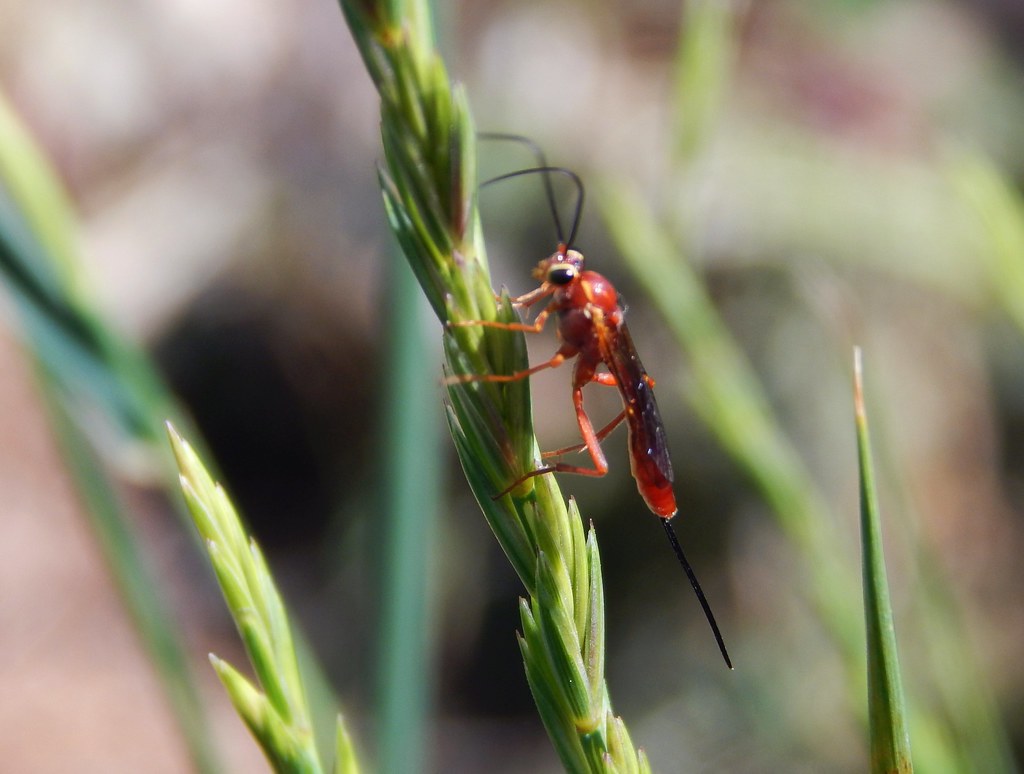
Red wasps, scientifically known as Polistes carolina, deliver stings that combine immediate intense pain with delayed systemic reactions that can develop into serious medical situations. These reddish-brown social wasps are particularly dangerous because they often nest in human-occupied structures and exhibit highly aggressive territorial behavior.
The venom contains unique alkaloids that cause prolonged pain lasting 12-24 hours, significantly longer than most wasp species. This extended pain period is accompanied by progressive swelling that can affect circulation and nerve function, particularly dangerous when stings occur on fingers, hands, or near joints.
Pro Tip: Red wasps can sting multiple times without losing their stinger, and they often call additional colony members to join attacks through chemical alarm signals released during stinging.
Red wasps construct their distinctive umbrella-shaped paper nests under eaves, in attics, and around outdoor structures. Unlike enclosed nests, red wasp colonies remain exposed, making accidental disturbance common during routine maintenance activities. Mature colonies contain 50-200 individuals, all capable of delivering multiple stings when the nest is threatened.
The medical significance extends beyond immediate pain. Red wasp venom contains compounds that can trigger delayed hypersensitivity reactions appearing 6-48 hours after the initial sting. These reactions manifest as expanding inflammation, secondary bacterial infections, and in rare cases, systemic toxicity requiring intravenous treatment.
Emergency medical intervention becomes necessary when sting sites develop rapid spreading redness, lymph node swelling, or signs of tissue necrosis. The combination of prolonged venom activity and bacterial introduction through the stinger creates conditions favorable for serious soft tissue infections.
Healthcare providers particularly monitor red wasp sting victims for compartment syndrome—a condition where swelling within tissue compartments restricts blood flow, potentially causing permanent damage without surgical intervention.
Cicada Killer Wasps
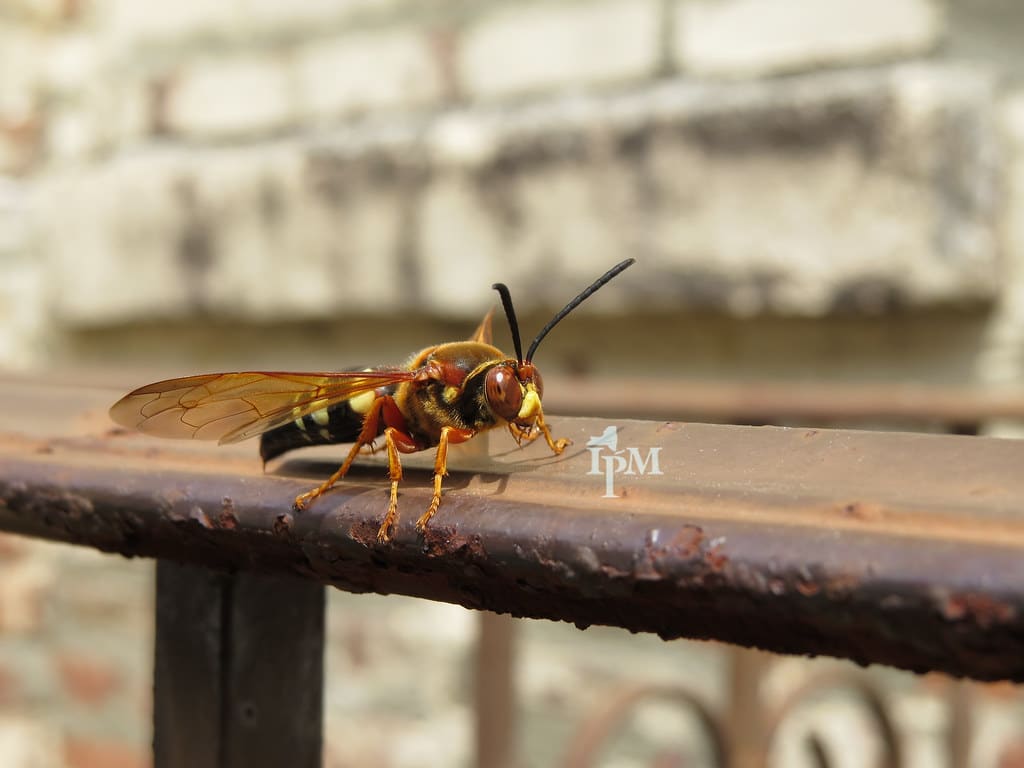
Despite their intimidating 2-inch size and fearsome appearance, cicada killer wasps rarely sting humans. However, when defensive stinging does occur, these massive solitary wasps deliver enough venom to cause significant medical complications, particularly in individuals with underlying health conditions or wasp allergies.
Important Note: Male cicada killers cannot sting but exhibit aggressive territorial behavior, often dive-bombing perceived threats. This intimidation behavior frequently causes panic-induced injuries as people flee or fall while trying to escape.
Female cicada killers possess stingers up to 6mm long capable of penetrating thick clothing and delivering substantial venom loads. The sting produces immediate severe pain followed by extensive localized swelling that can persist for 5-7 days. Unlike social wasps, cicada killers rarely deliver multiple stings, but the single injection often proves sufficient to cause systemic reactions.
These wasps excavate ground burrows in sandy soils, creating networks of tunnels that can undermine walkways and landscaping. The entrance holes, typically 0.5 inches in diameter, are often concentrated in areas with optimal soil conditions, leading to high wasp densities in preferred locations.
Medical complications from cicada killer stings primarily involve delayed reactions and secondary infections. The deep puncture wound created by the large stinger provides an entry point for bacteria, while the substantial tissue trauma can lead to localized necrosis requiring debridement.
Cicada killers are active during mid-summer months, coinciding with cicada emergence. Their flight patterns around nesting areas create anxiety-inducing encounters, but actual sting incidents remain relatively rare. Most hospital visits related to cicada killers involve panic-related injuries rather than envenomation.
Tarantula Hawk Wasps
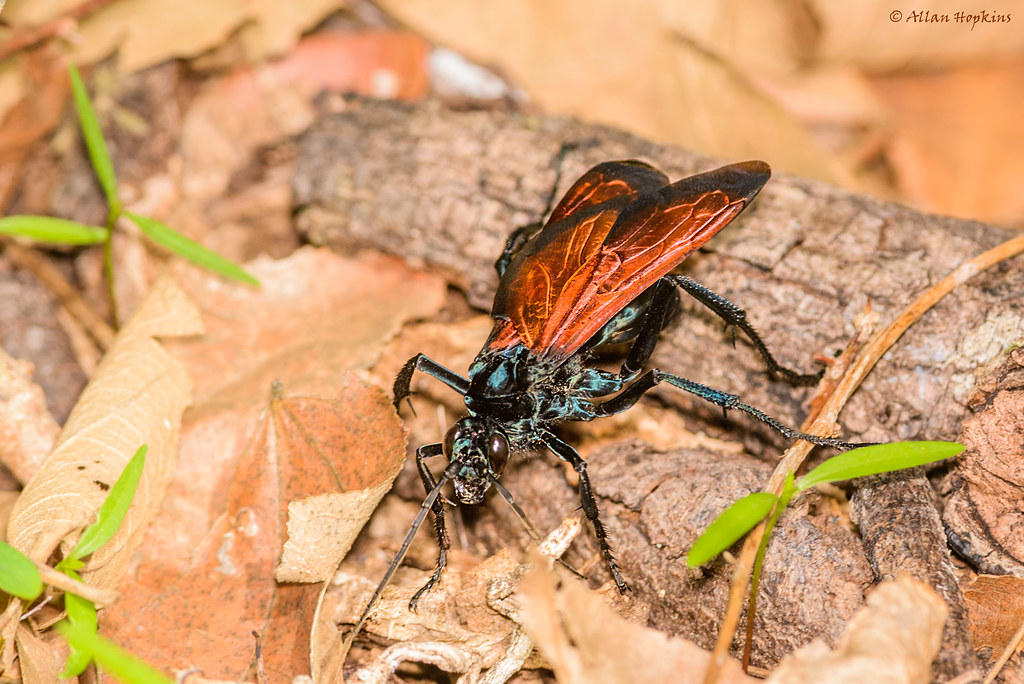
Tarantula hawk wasps inflict what many entomologists consider the second-most painful insect sting in the world, with venom specifically evolved to paralyze large spiders but capable of causing excruciating pain and neurological symptoms in humans. These metallic blue-black wasps with orange wings deliver stings that can incapacitate healthy adults and require emergency medical intervention.
The sting produces immediate, electric-shock-like pain that peaks within seconds and can cause involuntary muscle contractions, temporary paralysis, and loss of coordination. Victims often describe the pain as comparable to electric torture, with many individuals becoming temporarily incapacitated and unable to perform basic functions like walking or speaking coherently.
Common Mistake: People often mistake the intense pain for a heart attack or stroke, leading to unnecessary panic. While extremely painful, tarantula hawk stings rarely cause life-threatening reactions in healthy individuals.
Tarantula hawk venom contains unique neurotoxins designed to overwhelm arthropod nervous systems. In humans, these compounds can cause temporary neurological symptoms including tremors, difficulty speaking, and coordination problems lasting 30-60 minutes beyond the initial pain peak.
These wasps are generally non-aggressive unless directly handled or trapped, but their large size (up to 2 inches) and distinctive flight patterns make encounters memorable. They’re most active during hot summer days, often seen visiting flowers or patrolling areas where tarantulas are common.
Medical treatment focuses on pain management and monitoring for allergic reactions. The neurological symptoms typically resolve without intervention, but the intensity of the experience often prompts emergency room visits. Healthcare providers should be aware that victims may present with anxiety and panic symptoms secondary to the extreme pain experience.
Paper Wasps
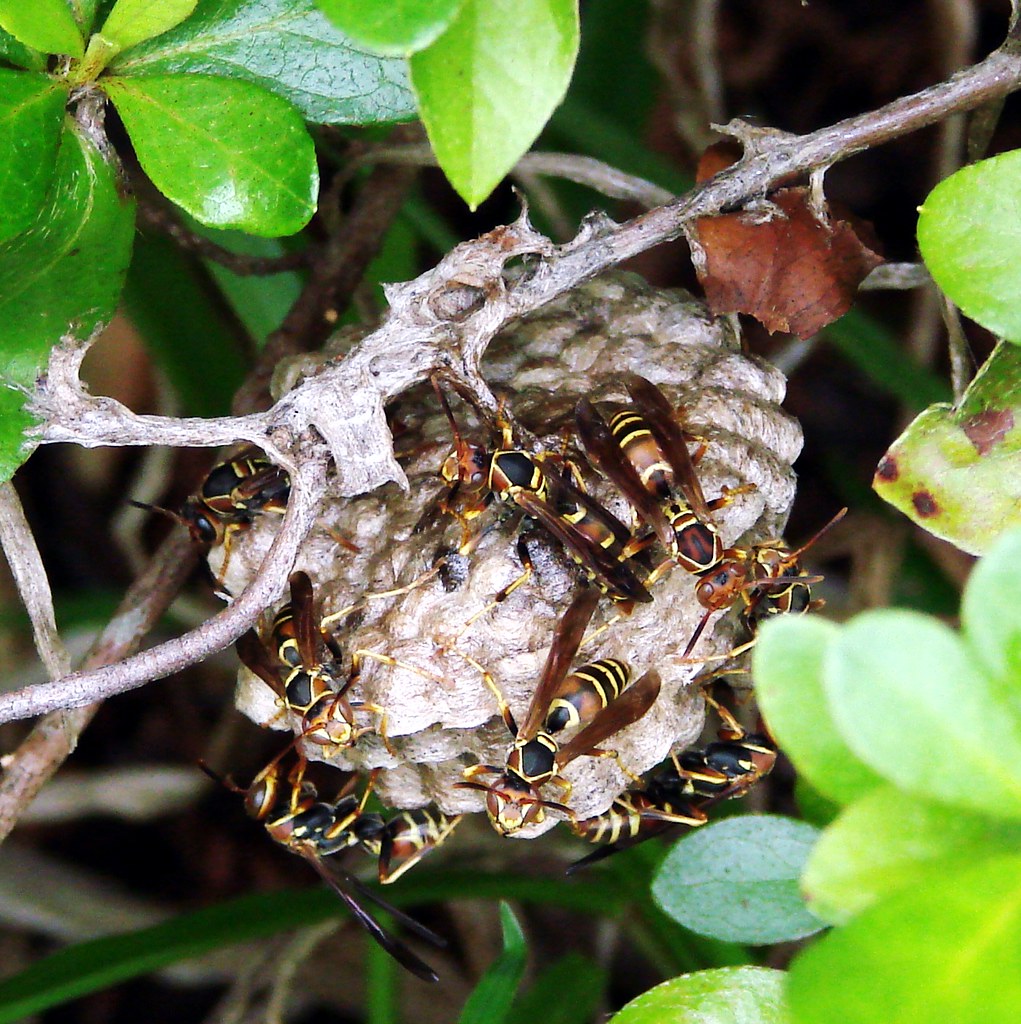
Paper wasps represent one of California’s most medically significant stinging insect groups, responsible for thousands of emergency room visits annually due to their tendency to nest in human-occupied structures and their potent defensive behavior. These social wasps deliver stings that combine immediate pain with progressive inflammatory reactions that can develop into serious medical conditions.
Key Insight: Paper wasp colonies can remain active year-round in California’s mild climate zones, making winter encounters possible when other stinging insects are dormant.
Paper wasp venom contains high concentrations of kinins and biogenic amines that cause immediate vasodilation and increased vascular permeability. This results in rapid, often dramatic swelling that can affect breathing when stings occur on the face or neck. The venom also contains phospholipases that break down cell membranes, leading to tissue damage and secondary bacterial infections.
Paper wasps construct their characteristic umbrella-shaped nests from chewed wood pulp, creating gray papery structures under eaves, in attics, and around outdoor furniture. Unlike enclosed nests, paper wasp colonies remain exposed and easily disturbed during routine activities. Mature nests can house 100-300 individuals, all capable of delivering multiple stings when threatened.
The wasps exhibit persistent defensive behavior, often pursuing perceived threats for significant distances while recruiting additional colony members through alarm pheromones. This coordinated response can result in multiple stings that overwhelm the body’s ability to process venom effectively.
| Paper Wasp Sting Progression Timeline | |
|---|---|
| 0-5 minutes | Immediate sharp pain, local redness |
| 15-30 minutes | Progressive swelling, spreading inflammation |
| 1-4 hours | Peak swelling, possible systemic symptoms |
| 24-48 hours | Gradual improvement or infection development |
| 3-7 days | Resolution or medical intervention required |
Emergency medical care becomes necessary when stings produce facial swelling, difficulty breathing, or signs of systemic toxicity. The combination of venom effects and bacterial introduction often requires antibiotic treatment, while severe local reactions may need corticosteroid intervention.
Bumblebees
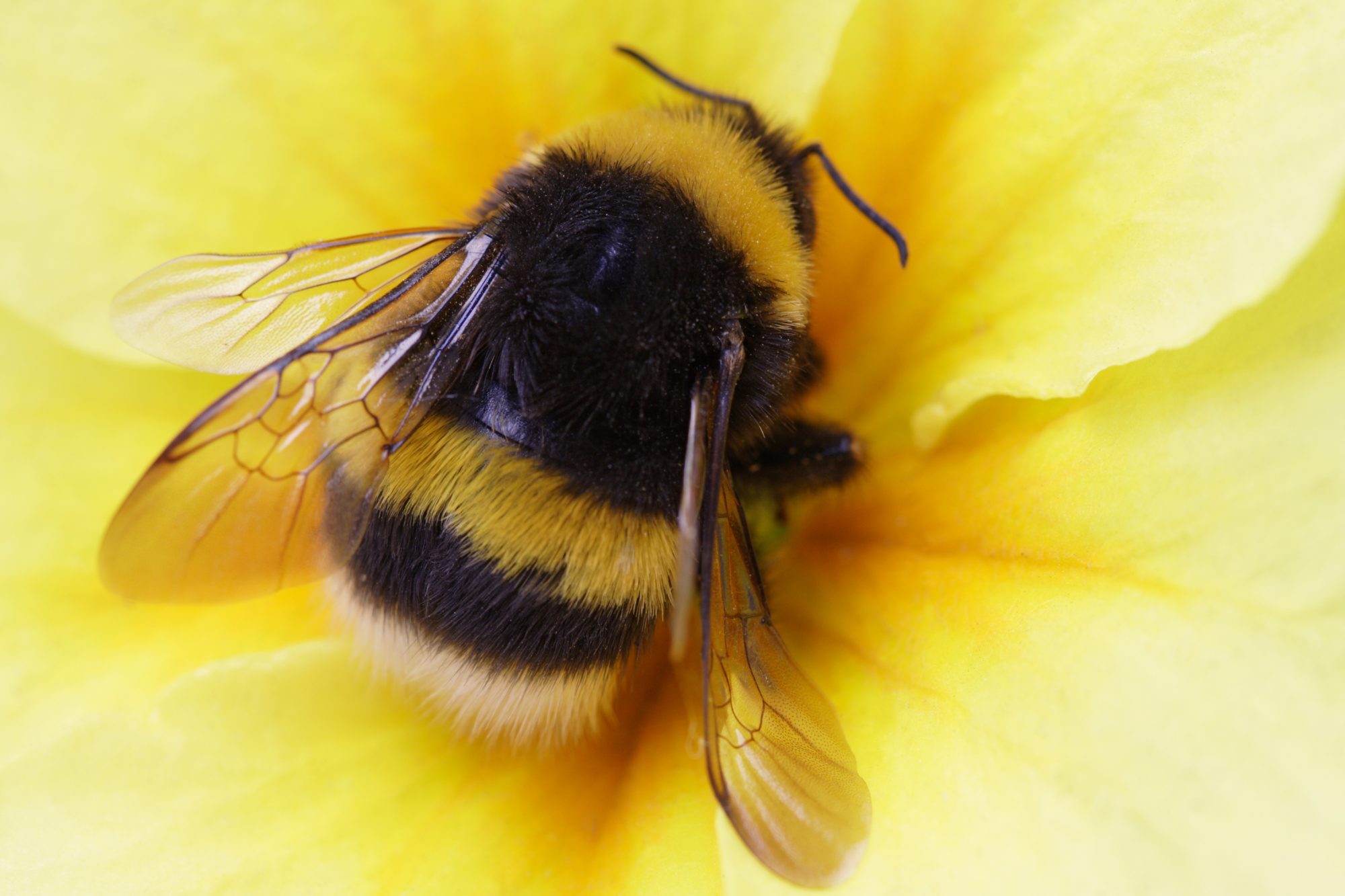
California’s diverse bumblebee species generally maintain docile temperaments, but their substantial size and potent venom can create serious medical situations when defensive stinging occurs. These fuzzy, robust bees inject larger venom volumes than honey bees and can sting multiple times without losing their stingers, making encounters with agitated individuals particularly dangerous.
Bumblebee venom contains melittin concentrations similar to honey bees but in substantially larger quantities per sting. The smooth stinger design allows repeated injections, potentially delivering cumulative venom doses sufficient to cause systemic toxicity even in non-allergic individuals.
Pro Tip: Bumblebees rarely sting unless directly handled or when their ground nests are disturbed by lawn mowers or foot traffic. Their warning behavior includes loud buzzing and hovering, providing opportunities to retreat before defensive stinging begins.
Ground-nesting bumblebee colonies are easily disturbed during landscaping activities, yard work, or outdoor recreation. Unlike aerial nesters, these bees emerge directly underfoot when their nests are threatened, leading to stings on feet, ankles, and lower legs where protective clothing is often inadequate.
The medical significance of bumblebee stings lies in their ability to deliver multiple venom injections and the common occurrence of stings in sensitive locations. Foot and ankle stings frequently result in significant swelling that impairs mobility and can compromise circulation, particularly problematic for individuals with diabetes or peripheral vascular disease.
Bumblebee colonies remain active later in the season than many other bee species, with some California populations maintaining activity through early winter months. This extended season increases the likelihood of encounters during fall yard cleanup activities when people may be less aware of stinging insect risks.
Medical complications primarily involve allergic reactions and localized tissue damage from multiple stings. The substantial swelling common with bumblebee stings can mask symptoms of secondary infections, making follow-up medical evaluation important for stings that fail to improve within 48-72 hours.
Bald-faced Hornets
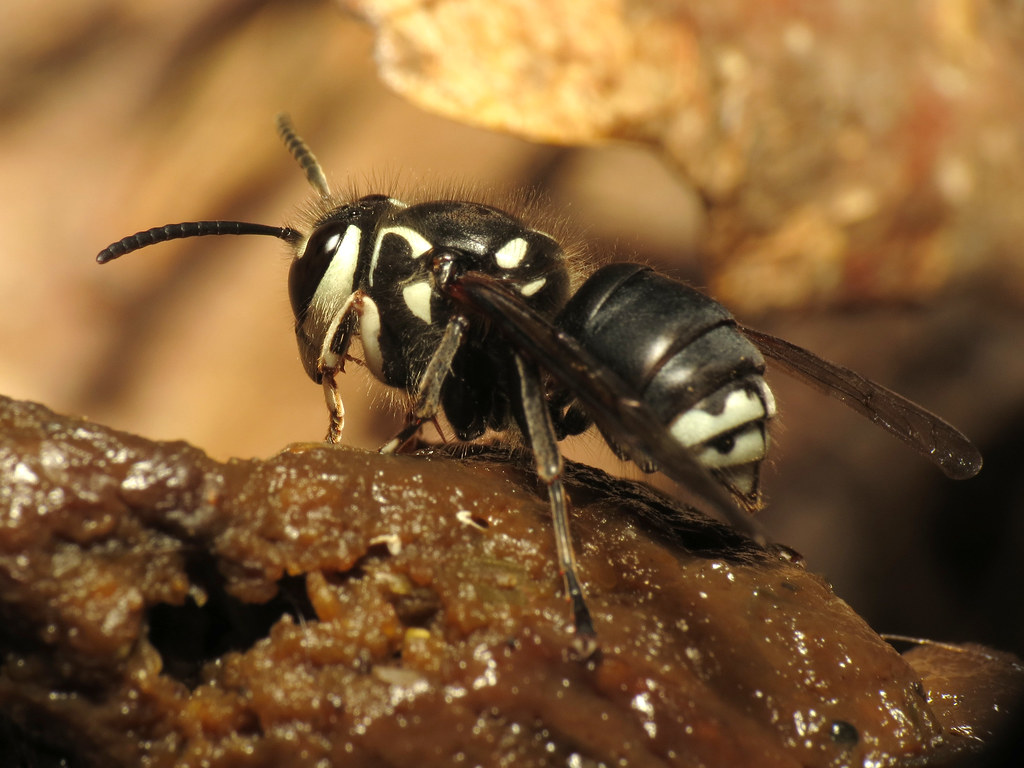
Bald-faced hornets, despite their name, are actually large aggressive wasps that deliver extraordinarily painful stings capable of causing severe local reactions and systemic complications. These black and white insects build massive aerial nests and defend their territory with coordinated attacks that can overwhelm victims with multiple simultaneous stings.
Important Note: Bald-faced hornets can spray venom from their stingers up to 10 feet away, targeting the eyes and causing temporary blindness and severe pain even without direct stinging contact.
Each sting injects approximately 5-15 micrograms of venom containing high concentrations of acetylcholine, mastoparan, and phospholipase A2. This combination creates immediate intense burning pain that can persist for hours, accompanied by rapid inflammatory responses that often require medical intervention.
Bald-faced hornets construct football-sized paper nests that can house 400-700 individuals by late summer. These nests are typically located 10-60 feet above ground in trees, but occasionally appear in shrubs or building structures. The wasps exhibit extremely aggressive territorial behavior, attacking perceived threats within 100-300 feet of their nest.
The coordination of group attacks makes bald-faced hornet encounters particularly dangerous. Individual wasps release alarm pheromones when stinging, rapidly recruiting dozens of additional defenders. This swarming response can result in 10-50 stings within seconds, creating medical emergencies even in healthy individuals.
Venom from multiple bald-faced hornet stings can cause systemic toxicity characterized by nausea, vomiting, dizziness, and cardiovascular symptoms. The high acetylcholine content affects neuromuscular function, potentially causing muscle fasciculations and respiratory compromise requiring immediate medical support.
Emergency treatment protocols emphasize rapid assessment for anaphylaxis while simultaneously addressing potential venom toxicity. The combination of pain intensity and systemic effects often requires both analgesic and supportive care during the acute phase.
Healthcare providers should monitor for delayed complications including secondary infections, compartment syndrome, and acute kidney injury from massive envenomation. The tissue damage caused by multiple stings creates conditions favorable for bacterial growth, often necessitating prophylactic antibiotic therapy.
Yellowjackets
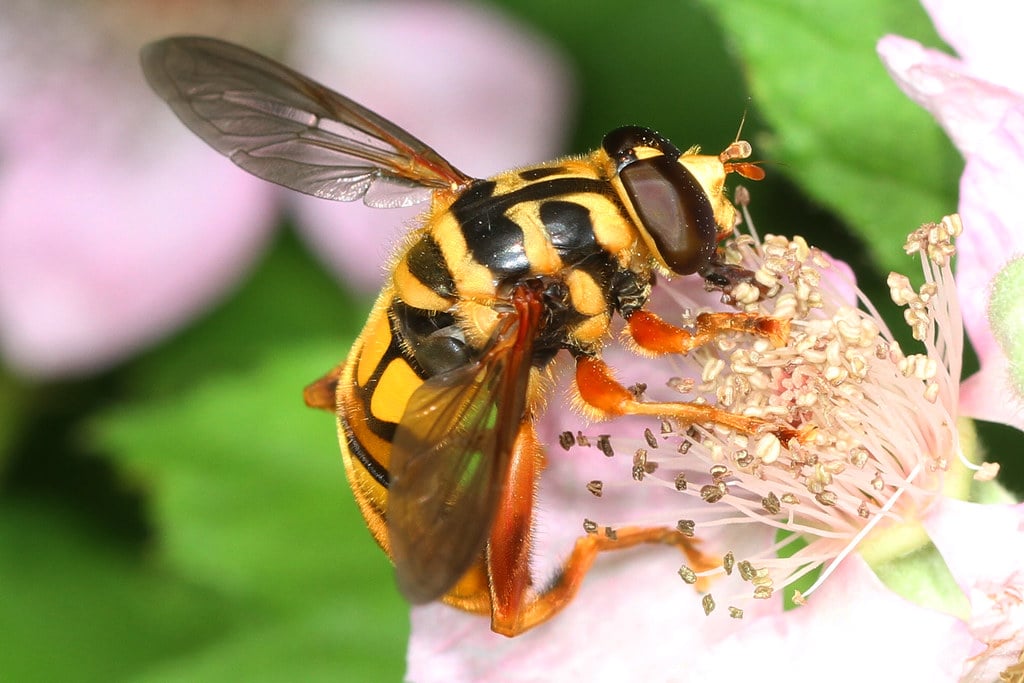
Yellowjackets represent California’s most aggressive stinging insects, responsible for more hospital emergency visits than all other wasp species combined. These social wasps exhibit persistent attacking behavior, can sting multiple times, and become increasingly aggressive throughout the late summer and fall months when their colonies reach peak populations.
Standard yellowjacket colonies house 1,000-5,000 individuals by September, creating situations where single encounters can result in dozens or hundreds of stings. The wasps exhibit coordinated defensive responses, with initial attackers releasing alarm pheromones that recruit additional colony members to continue the assault.
Common Mistake: Many people believe yellowjackets die after stinging like honey bees. In reality, yellowjackets retain their stingers and can deliver multiple injections, making escape from attack areas critical for preventing escalating encounters.
Yellowjacket venom contains kinins, histamine, and phospholipase compounds that cause immediate pain followed by progressive inflammatory responses. Individual stings typically produce localized swelling lasting 24-48 hours, but multiple stings can overwhelm the body’s inflammatory control mechanisms, leading to systemic complications.
Ground-nesting yellowjacket colonies are frequently disturbed during routine outdoor activities, with lawn mowing, gardening, and playground use accounting for most serious encounters. The underground nests remain hidden until accidentally disturbed, causing sudden explosive emergence of defending wasps.
Late-season yellowjacket behavior becomes particularly problematic as natural food sources decline. Hungry wasps become increasingly aggressive around human food and beverages, leading to stings during outdoor dining, picnics, and recreational activities.
Medical complications from yellowjacket encounters include both immediate and delayed reactions. Immediate concerns involve anaphylaxis in allergic individuals and systemic toxicity from multiple stings. Delayed complications include secondary bacterial infections, particularly common due to the wasps’ habit of foraging in garbage and carrion before stinging.
The pain and swelling from multiple yellowjacket stings can persist for weeks, with some victims developing chronic inflammatory responses requiring extended medical management. Healthcare providers should maintain awareness of potential psychological impacts, as severe yellowjacket attacks often result in lasting anxiety and avoidance behaviors affecting quality of life.
Velvet Ants (Cow Killers)
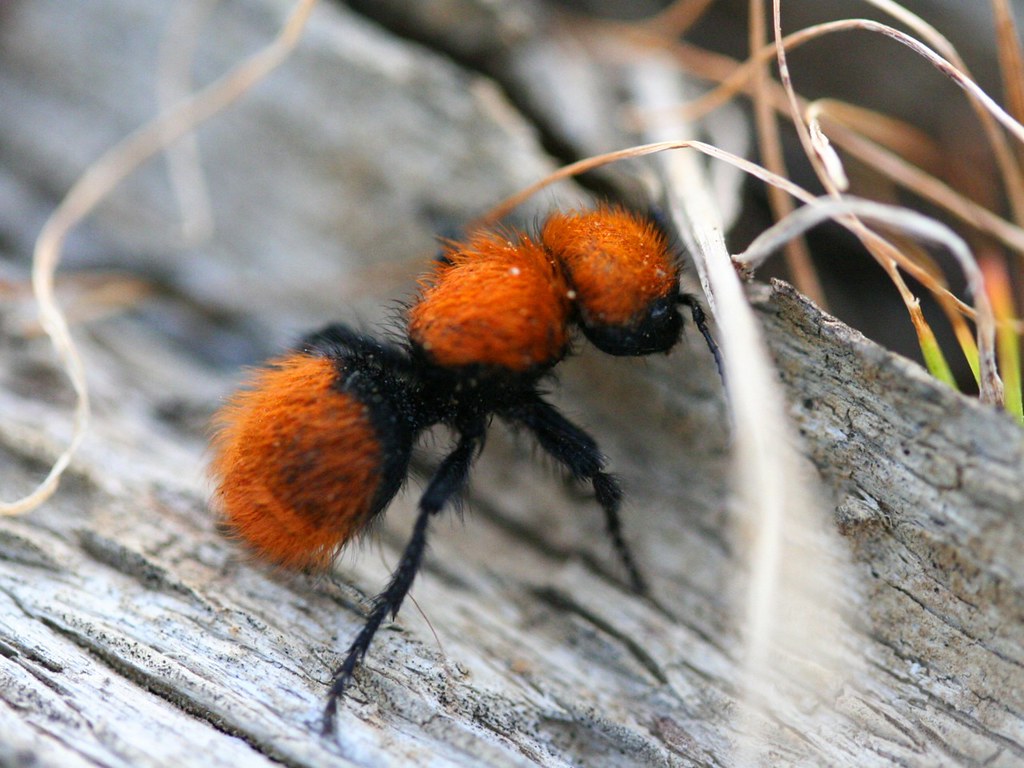
Velvet ants, actually wingless wasps rather than true ants, deliver stings ranked among the most painful in the insect world. These fuzzy, often brightly colored creatures possess stingers capable of penetrating thick leather and injecting venom that causes excruciating pain lasting several hours.
Pro Tip: Despite their common name “cow killers,” velvet ant stings, while extremely painful, are not capable of killing large mammals. However, the pain intensity can cause panic reactions leading to secondary injuries from falls or vehicle accidents.
Female velvet ants possess stingers up to 7mm long with barbed tips that can penetrate most protective clothing. The venom contains unique pain-inducing compounds that activate multiple pain pathways simultaneously, creating sensations described as “like having a red-hot nail driven through the skin.”
Velvet ants are ground-dwelling solitary wasps that parasitize other insect nests. Their thick, fuzzy coating provides protection while they search for host nests, but this same appearance often attracts curious handling by humans, particularly children who mistake them for harmless fuzzy insects.
The medical significance lies primarily in the extreme pain intensity and duration. Unlike most insect stings where pain peaks quickly and subsides, velvet ant envenomation creates throbbing, burning pain that can persist for 4-8 hours. This prolonged discomfort often prompts emergency room visits seeking pain relief.
Velvet ant stings rarely cause life-threatening reactions, but the pain intensity can trigger vasovagal responses including fainting, nausea, and temporary loss of coordination. These secondary effects create safety concerns, particularly when stings occur during driving or other activities requiring alertness and coordination.
Medical treatment focuses primarily on pain management, as there are no specific antidotes for velvet ant venom. The extreme pain often requires prescription analgesics, and some patients benefit from regional nerve blocks for temporary relief during the acute phase.
Carpenter Bees
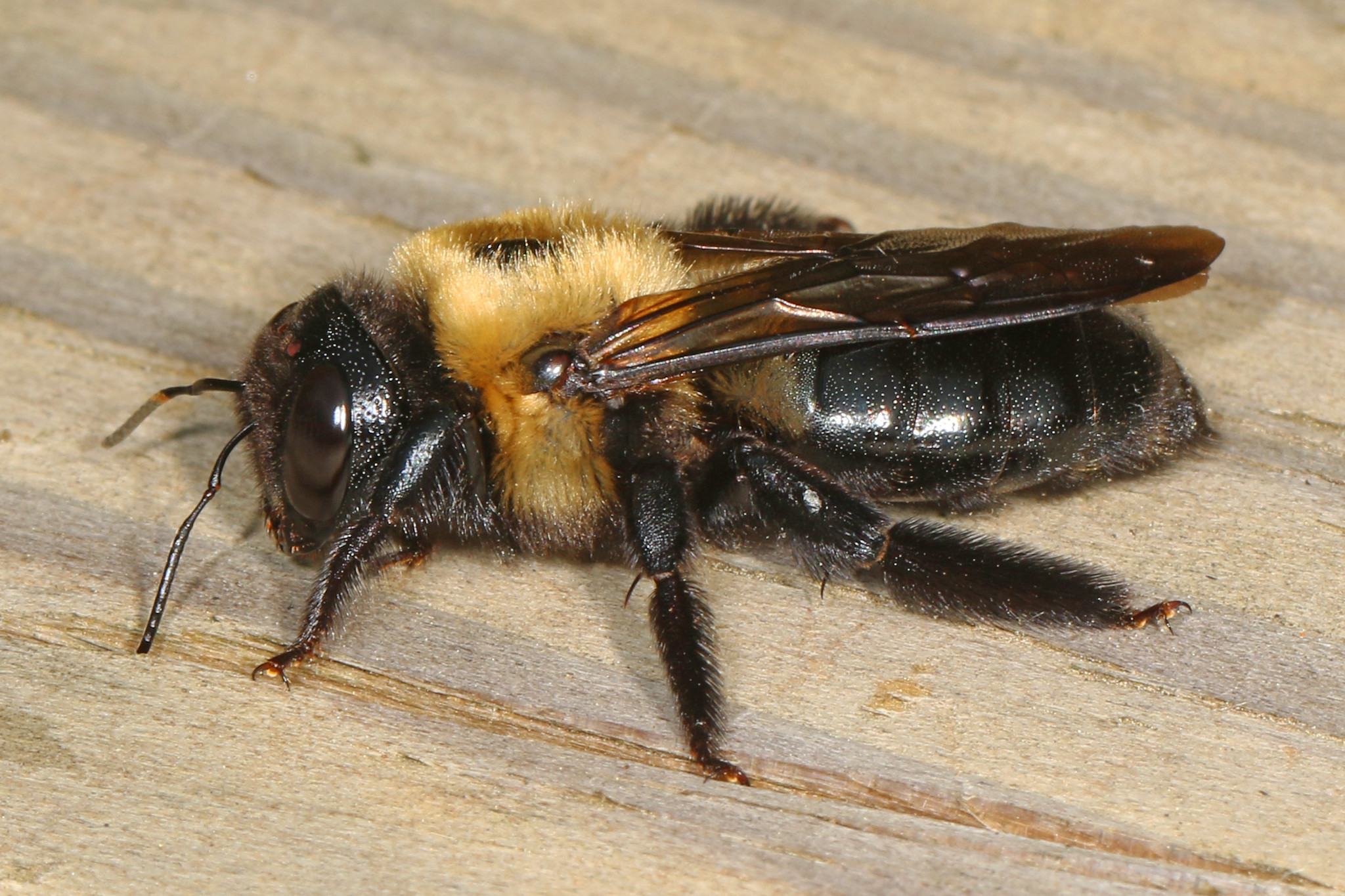
Large carpenter bees create anxiety-provoking encounters due to their substantial size and aggressive hovering behavior, but actual stinging incidents can result in significant medical complications when they do occur. These solitary bees rarely sting unless directly handled, but their size allows injection of substantial venom volumes that can cause severe localized reactions.
Male carpenter bees cannot sting but exhibit territorial behavior that often creates panic-inducing encounters. Their habit of hovering near faces and dive-bombing perceived threats leads to anxiety reactions and sometimes secondary injuries as people attempt to escape. However, female carpenter bees possess powerful stingers capable of delivering painful injections when threatened.
Key Insight: Carpenter bee stings often occur during home maintenance activities when people inadvertently disturb nesting females while working on wooden structures, decks, or outdoor furniture.
Female carpenter bee venom contains compounds similar to other bee species but in larger concentrations due to their size. The sting produces immediate sharp pain followed by localized swelling that can be particularly problematic when stings occur on hands or fingers during carpentry work.
Carpenter bees excavate tunnels in wood structures for nesting, creating galleries that can weaken structural members over time. The combination of property damage and intimidating behavior often leads to direct confrontations when people attempt to eliminate nesting sites, resulting in defensive stinging.
Medical complications from carpenter bee stings primarily involve allergic reactions and secondary infections. The deep puncture wounds created by their substantial stingers provide entry points for bacteria, while the typical location of stings on hands increases infection risk due to constant use and exposure.
Healthcare providers should be aware that carpenter bee encounters often involve multiple family members or workers in the same area, potentially resulting in multiple sting victims requiring simultaneous treatment. The psychological impact of these large, intimidating insects can create lasting anxiety affecting outdoor activities and home maintenance behaviors.
Western Yellowjackets
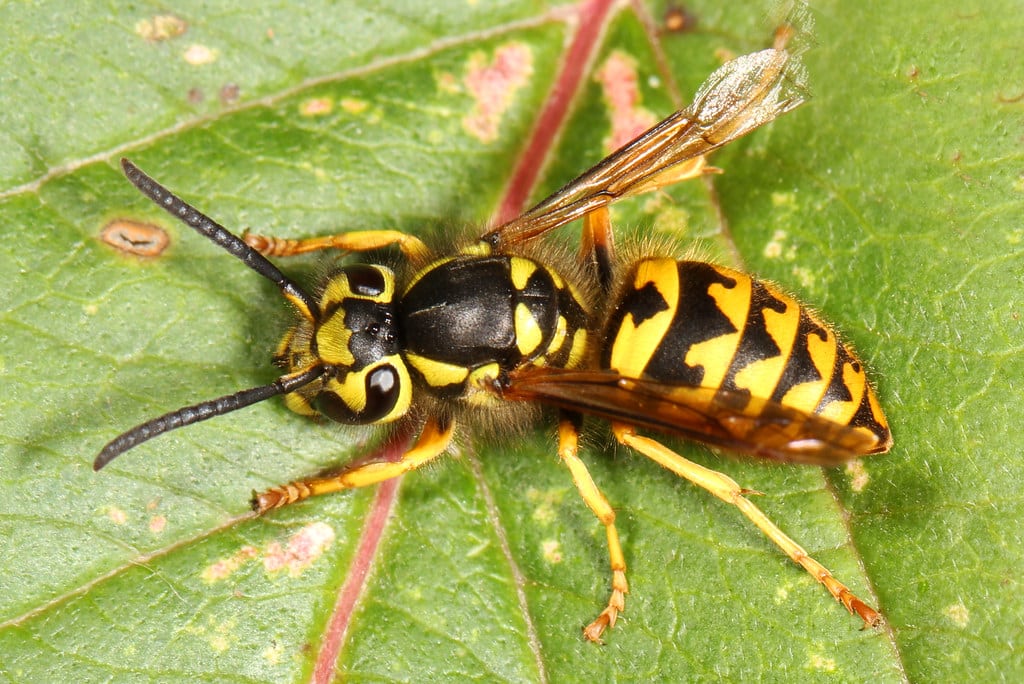
Western yellowjackets represent California’s most medically significant stinging insect due to their extremely aggressive behavior, ability to sting repeatedly, and tendency to build massive colonies in human-occupied areas. These wasps are responsible for more serious envenomation cases requiring hospitalization than any other species in the state.
Important Note: Western yellowjacket colonies can reach unprecedented sizes in California’s mild climate, with some supercolonies housing over 100,000 individuals and remaining active for multiple years rather than dying off annually.
Western yellowjacket venom contains particularly high concentrations of phospholipase A2 and melittin, compounds that cause severe tissue damage and intense pain. The wasps can inject venom multiple times without losing their stingers, with each injection delivering 2-15 micrograms of venom depending on the individual wasp’s size and motivation level.
These yellowjackets commonly nest in wall voids, attics, and underground locations, bringing them into frequent contact with humans during routine activities. Their scavenging behavior around food sources makes them persistent nuisances at outdoor events, picnics, and dining areas where defensive reactions often lead to multiple stings.
| Western Yellowjacket Danger Escalation | |
|---|---|
| Single Sting | Intense pain, local swelling (manageable) |
| 2-5 Stings | Significant inflammatory response |
| 6-15 Stings | Systemic symptoms possible |
| 15+ Stings | Medical emergency, potential toxicity |
| 50+ Stings | Life-threatening, immediate hospitalization |
The persistence of western yellowjacket attacks sets them apart from other stinging insects. Individual wasps will pursue victims for hundreds of yards while continuously stinging, and their alarm pheromones recruit additional attackers that can maintain pursuit for extended periods.
Medical emergencies frequently result from western yellowjacket encounters involving multiple family members or groups. The wasps’ tendency to attack anything in the vicinity means that single nest disturbances often result in multiple victims requiring simultaneous emergency treatment.
Late-season western yellowjacket behavior becomes particularly dangerous as colonies reach peak populations and natural food sources decline. Desperate foraging leads to increased human contact, while the presence of multiple reproductive individuals creates hyperaggressive colony responses to any perceived threats.
Emergency medical protocols for western yellowjacket mass envenomation emphasize rapid triage and supportive care while monitoring for delayed complications including acute kidney injury, rhabdomyolysis, and cardiovascular compromise from systemic venom effects.
Conclusion
California’s stinging insects demand respect and awareness rather than fear. Understanding which species pose genuine medical risks allows you to enjoy outdoor activities while taking appropriate precautions. Remember that most encounters can be avoided through awareness of nesting sites, seasonal activity patterns, and proper response to threatening situations. When in doubt, retreat and seek professional pest control assistance rather than attempting direct confrontation with potentially dangerous colonies.