19 Dangerous Animals in Arizona That Can Kill You: Desert Survival Guide

Arizona’s stunning desert landscapes hide a deadly secret: some of North America’s most dangerous animals call this state home.
While you’re admiring the saguaro cacti and red rock formations, 19 potentially lethal species are quietly going about their business, ready to defend themselves if you get too close.
Understanding these creatures isn’t about living in fear—it’s about respecting the desert’s power and knowing how to coexist safely with wildlife that has thrived here for millennia.
From venomous rattlesnakes that can kill with a single bite to aggressive killer bees that swarm in the hundreds, Arizona hosts an impressive collection of animals capable of ending human life.
This comprehensive guide will walk you through each species, helping you identify threats, understand their behavior, and most importantly, know what to do if you encounter them in the wild.
Western diamondback rattlesnake
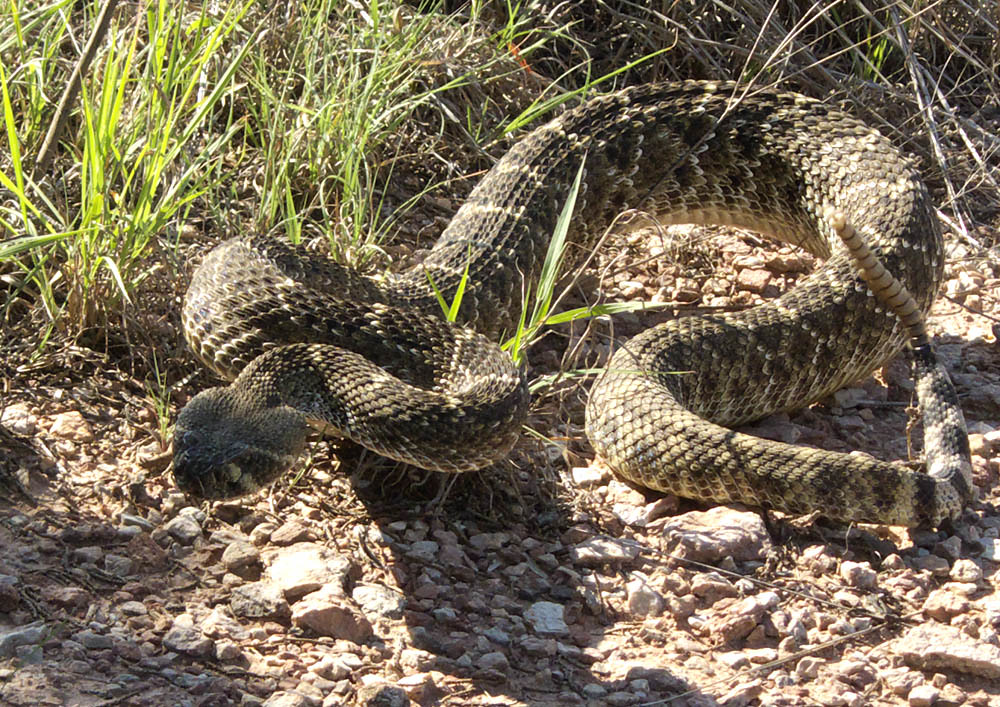
The Western diamondback rattlesnake stands as Arizona’s most commonly encountered and potentially deadly serpent. Growing 3-6 feet in length, this massive pit viper is responsible for more snakebite fatalities than any other species in the Southwest. You’ll recognize them by their distinctive diamond-shaped patterns running down their backs and the bold black and white banded tail that gives them their “coon-tail” nickname.
Key Insight: Western diamondbacks are most active during temperature transitions—early morning, late afternoon, and warm winter days when they emerge to bask in the sun.
These aggressive defenders prefer rocky canyons, desert scrub, and areas where urban development meets natural habitat. Their hemotoxic venom destroys red blood cells and tissue, causing severe pain, swelling, and potentially fatal systemic effects. Unlike their more reclusive cousins, Western diamondbacks will stand their ground when threatened, coiling and rattling vigorously before striking.
The species thrives throughout Arizona’s lower elevations, from sea level to 6,500 feet. During cooler months, they often hibernate in groups within rocky crevices, sometimes sharing space with other snake species. Their excellent camouflage allows them to remain motionless for hours, making accidental encounters particularly dangerous for hikers and outdoor enthusiasts.
Mojave rattlesnake
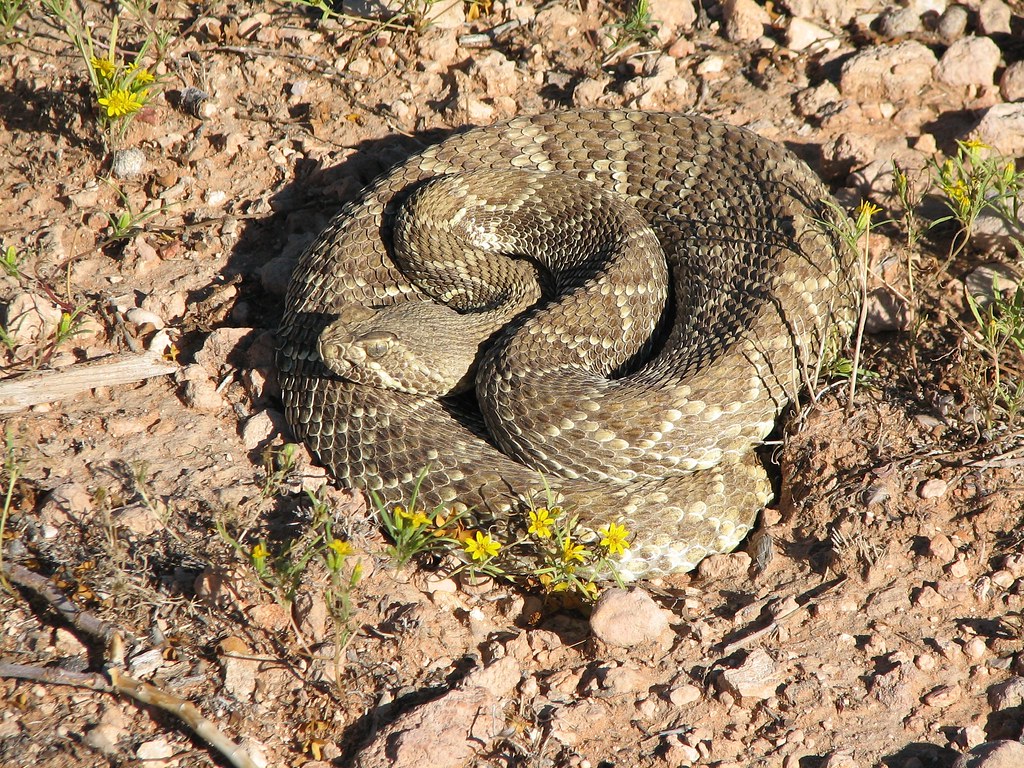
Often called the “Mojave green,” this species carries one of the most potent venom cocktails in North America. The Mojave rattlesnake’s venom contains both neurotoxins and hemotoxins, creating a deadly combination that can cause respiratory paralysis alongside tissue destruction. This 3-4 foot serpent appears similar to the Western diamondback but typically displays cleaner diamond patterns and different tail banding.
Pro Tip: Look for the 2:1 white-to-black tail band ratio to distinguish Mojaves from Western diamondbacks, though this method isn’t foolproof.
Recent studies have shown that Mojave rattlesnake bites often result in delayed symptoms, with victims feeling relatively fine for hours before experiencing severe neurological effects. This delayed reaction makes immediate medical attention crucial, even if initial symptoms seem minor. The species inhabits flat desert areas with creosote bush, avoiding rocky terrain preferred by other rattlesnakes.
Their hunting strategy involves using heat-sensing pit organs to detect warm-blooded prey in complete darkness. Small mammals make up the majority of their diet, but their exceptional camouflage and patient hunting style make them particularly dangerous to humans who venture into their territory during evening hours.
Sidewinder
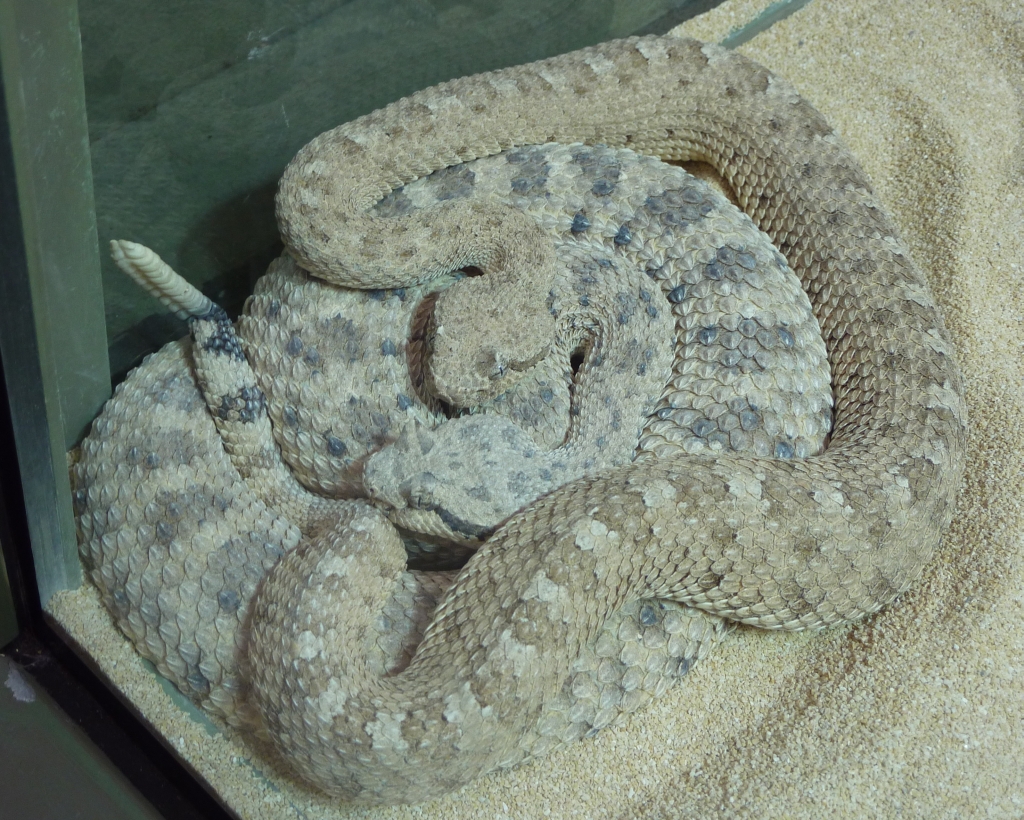
The sidewinder’s unique locomotion method—throwing loops of their body forward in a distinctive S-pattern—gives this small rattlesnake its name and exceptional ability to navigate loose sand. Despite reaching only 17-30 inches in length, sidewinders pack enough venom to seriously harm or kill humans. Their horn-like scales above the eyes help identify them immediately.
These specialized desert dwellers inhabit Arizona’s sandy flats, particularly areas dominated by creosote bush where vegetation remains sparse. Their sandy coloration provides perfect camouflage, making them nearly invisible until they move. Wildlife biologists note that sidewinders are most active during cooler periods, often hunting at night when temperatures drop.
Important Note: Sidewinders rarely encounter humans due to their remote habitat preferences, but their small size makes them easily overlooked when they do cross paths with people.
The species demonstrates remarkable adaptation to extreme desert conditions, capable of surviving in areas too harsh for other rattlesnakes. Their efficient venom delivery system compensates for their smaller size, making every bite potentially serious. Unlike larger rattlesnakes, sidewinders may not always rattle before striking, relying instead on their camouflage and quick escape abilities.
Speckled rattlesnake
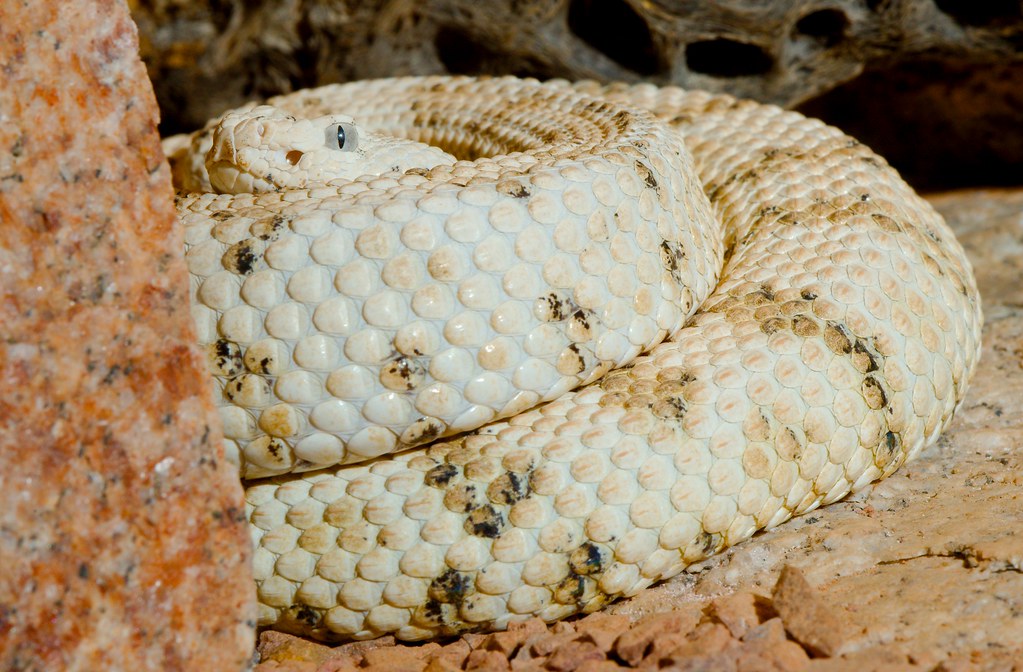
Master camouflage artists, speckled rattlesnakes blend so perfectly with Arizona’s rocky terrain that they become virtually invisible until they move. These 24-30 inch serpents inhabit the rocky foothills and canyon areas of western Arizona, where their variable coloration—ranging from reddish-brown to gray or yellow—matches the surrounding stone formations with uncanny precision.
What makes speckled rattlesnakes particularly dangerous is their defensive strategy. Rather than fleeing when threatened, they rely on their camouflage and remain motionless, creating situations where hikers or rock climbers might step directly on them. Their venom, while less studied than other species, contains powerful hemotoxins capable of causing severe tissue damage and systemic complications.
Common Mistake: Assuming all light-colored, small rattlesnakes are less dangerous—speckled rattlesnakes can deliver potentially fatal bites despite their modest size.
These snakes prefer rocky habitats with scattered vegetation, particularly areas with granite outcroppings and boulder fields. They’re excellent climbers, often found on rock faces and in crevices several feet off the ground. During hot summer days, they seek shelter in cool rock shadows, becoming active during twilight hours when temperatures moderate.
Their diet consists primarily of small mammals, lizards, and birds. The species demonstrates remarkable patience, sometimes remaining motionless for hours while waiting for prey to come within striking distance. This same patience becomes dangerous when humans unknowingly enter their space.
Arizona black rattlesnake
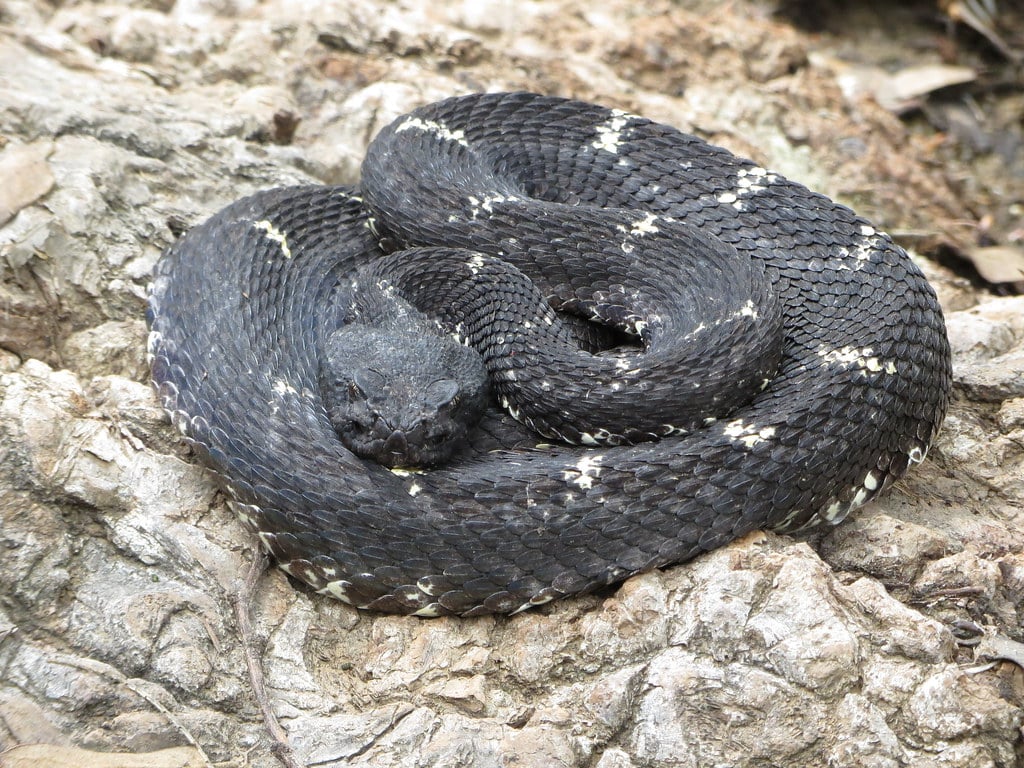
The Arizona black rattlesnake, sometimes mistakenly called the “timber rattlesnake,” inhabits the mountainous regions north of Phoenix and throughout Arizona’s higher elevations. These thick-bodied serpents undergo dramatic color changes as they mature, starting as light tan or gray juveniles with brown circles and transforming into dark, nearly black adults with faded patterns.
Found in pine-oak woodlands and coniferous forests up to 9,600 feet elevation, these rattlesnakes represent one of Arizona’s most cold-tolerant venomous species. Their venom contains hemotoxins that cause severe tissue damage, blood clotting disorders, and can lead to systemic shock if left untreated.
Pro Tip: Arizona black rattlesnakes are more docile than their desert cousins but can deliver larger venom loads due to their substantial size—adult females can exceed 5 feet in length.
During winter months, these snakes hibernate in rocky dens, sometimes gathering in groups of dozens of individuals. They emerge in spring when temperatures warm, making early hiking season particularly dangerous as hungry, recently awakened snakes become more aggressive. Their preference for wooded areas means encounters often occur on popular hiking trails and camping areas.
The species feeds on squirrels, chipmunks, and other forest mammals. Their excellent climbing abilities allow them to pursue prey into trees, though they spend most of their time on the ground among fallen logs and rocky areas where their dark coloration provides effective camouflage.
Tiger rattlesnake
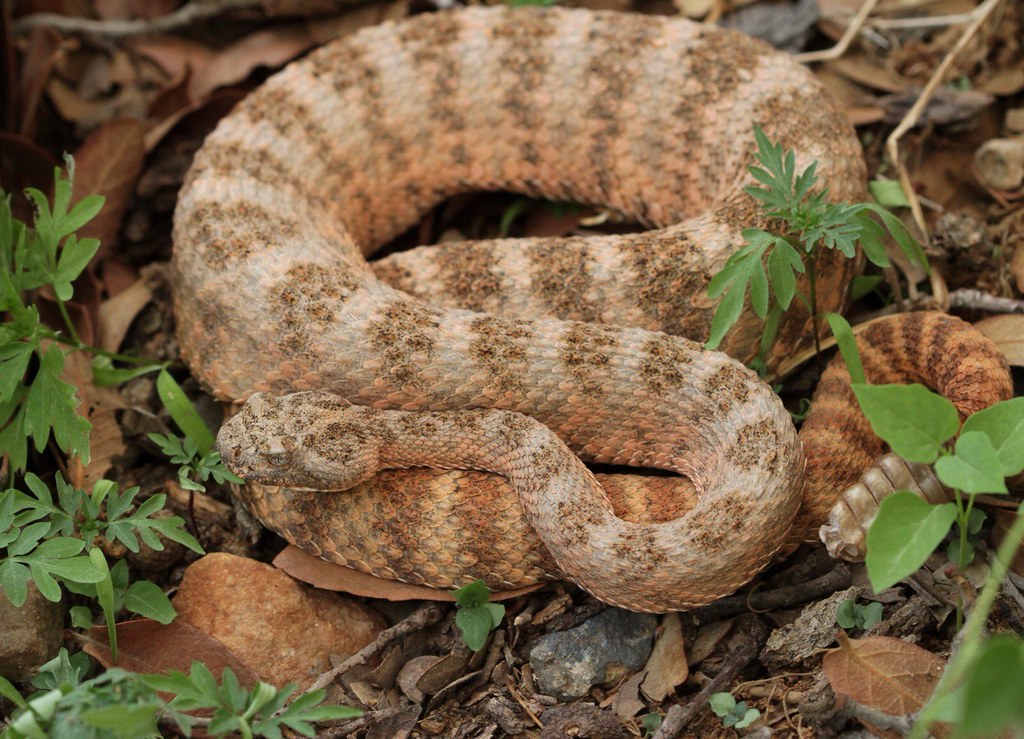
Distinguished by their exceptionally small heads relative to their thick bodies, tiger rattlesnakes possess some of the most toxic venom of any North American rattlesnake species. These 18-36 inch serpents inhabit the rocky canyons and foothills of southern Arizona’s Sonoran Desert, where their gray and brown banded patterns provide excellent camouflage among granite boulders.
Tiger rattlesnakes produce a potent neurotoxic venom similar to that found in coral snakes, causing rapid nervous system effects alongside the typical tissue damage associated with rattlesnake bites. Venom research indicates their bite can cause respiratory paralysis more quickly than other Arizona rattlesnake species.
The species strictly inhabits rocky terrain, rarely venturing into flat desert areas. They’re excellent climbers, often found basking on boulder faces or hunting in rocky crevices where their primary prey—small mammals and lizards—seek shelter. Their small head size limits the amount of venom they can inject, but the potency compensates for the reduced volume.
Important Note: Tiger rattlesnakes often hunt during daylight hours in cooler months, increasing the likelihood of human encounters in popular hiking areas.
Their rattle tends to be proportionally smaller than other species, producing a higher-pitched warning sound that hikers might mistake for insects or overlook entirely. This characteristic, combined with their excellent camouflage, makes them particularly dangerous to rock climbers and hikers exploring Arizona’s scenic canyon country.
Black-tailed rattlesnake
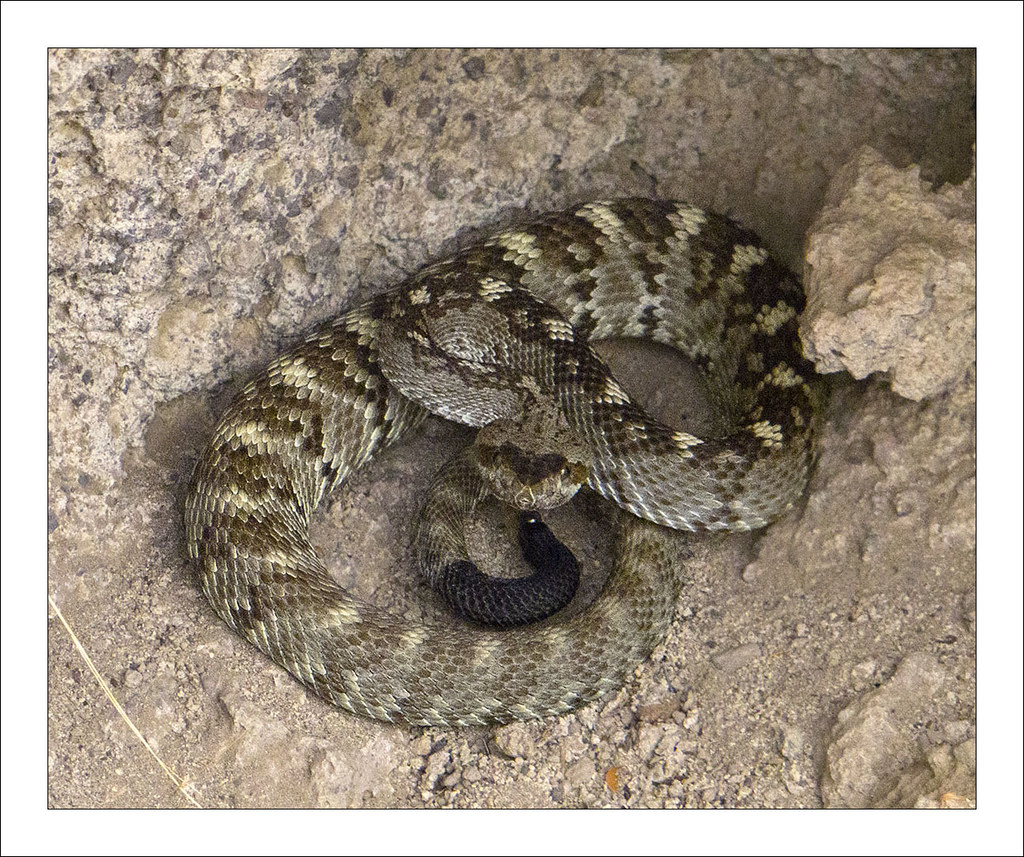
Black-tailed rattlesnakes earn their name from the solid black or dark gray coloration that extends from their tail tip to several inches up their body. These medium-sized serpents, reaching 30-42 inches in length, inhabit mountainous regions throughout Arizona, preferring pine-oak woodlands and areas with substantial rock outcroppings.
Their venom contains hemotoxins that cause severe local tissue damage, systemic bleeding disorders, and can lead to shock and death if medical treatment is delayed. Unlike desert-dwelling rattlesnakes, black-tailed rattlesnakes remain active at cooler temperatures, making them dangerous throughout more of the year in higher elevations.
These snakes demonstrate remarkable adaptability, thriving in environments ranging from desert grasslands to montane forests. They’re particularly common in areas where different habitat types meet, such as desert-mountain interfaces where many popular recreation areas are located. Their climbing abilities allow them to access elevated positions for ambush hunting.
Key Insight: Black-tailed rattlesnakes are among the most cold-tolerant venomous snakes in Arizona, remaining active when other species have entered hibernation.
The species feeds on a diverse diet including mammals, birds, and lizards. Their hunting strategy involves patient ambush from concealed positions, often near water sources or along animal trails. This behavior increases encounter risks for hikers and campers who use the same water sources and trails.
During breeding season, males engage in dramatic combat dances, rising up and wrestling while intertwined. These displays can last for hours and may occur in areas frequented by humans, creating situations where distracted, aggressive males pose heightened dangers to passersby.
Arizona coral snake
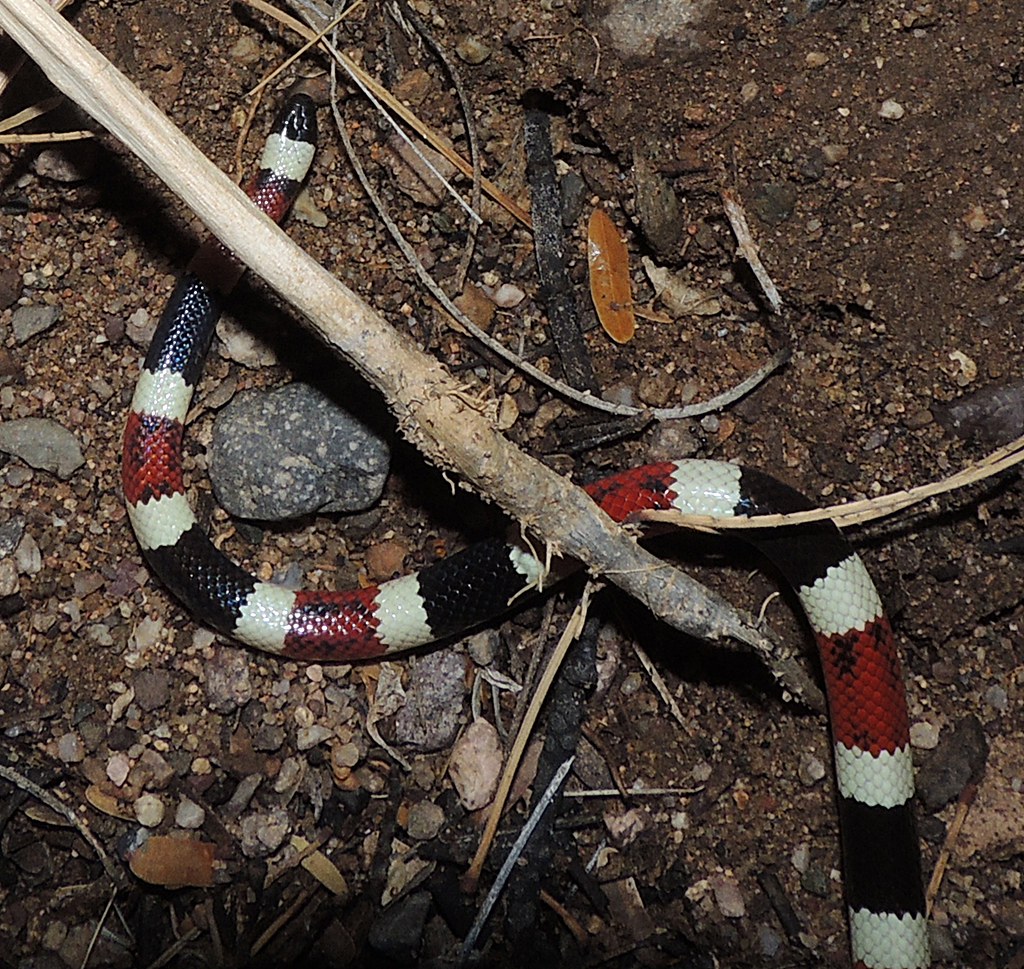
Arizona’s coral snake represents the state’s most venomous serpent, possessing neurotoxic venom more potent than any rattlesnake species. These small, slender snakes rarely exceed 20 inches in length but pack enough venom to kill an adult human. Their distinctive red, black, and yellow banding pattern—with red bands touching black bands—distinguishes them from harmless mimics.
The species inhabits remote desert areas, spending most of their time underground or beneath rocks and debris. Their secretive nature and small size mean encounters with humans are extremely rare, but when bites occur, the consequences can be fatal. Coral snake venom attacks the nervous system, causing paralysis, respiratory failure, and cardiac arrest.
Pro Tip: Remember “Red touches black, venom lack; red touches yellow, kills a fellow”—though Arizona coral snakes have red touching black, making this rhyme unreliable for local species identification.
Unlike rattlesnakes, coral snakes have small, fixed fangs and must chew to inject venom effectively. Their defensive behavior includes hiding their heads under their coiled bodies and raising their tails, sometimes passing gas as an additional deterrent. When threatened, they may also release a foul-smelling musk.
Arizona coral snakes feed exclusively on other snakes and lizards, using their potent venom to quickly subdue prey that might otherwise escape their small mouths. Their hunting occurs primarily at dawn and dusk, when they emerge from underground retreats to search for sleeping reptiles.
Gila monster
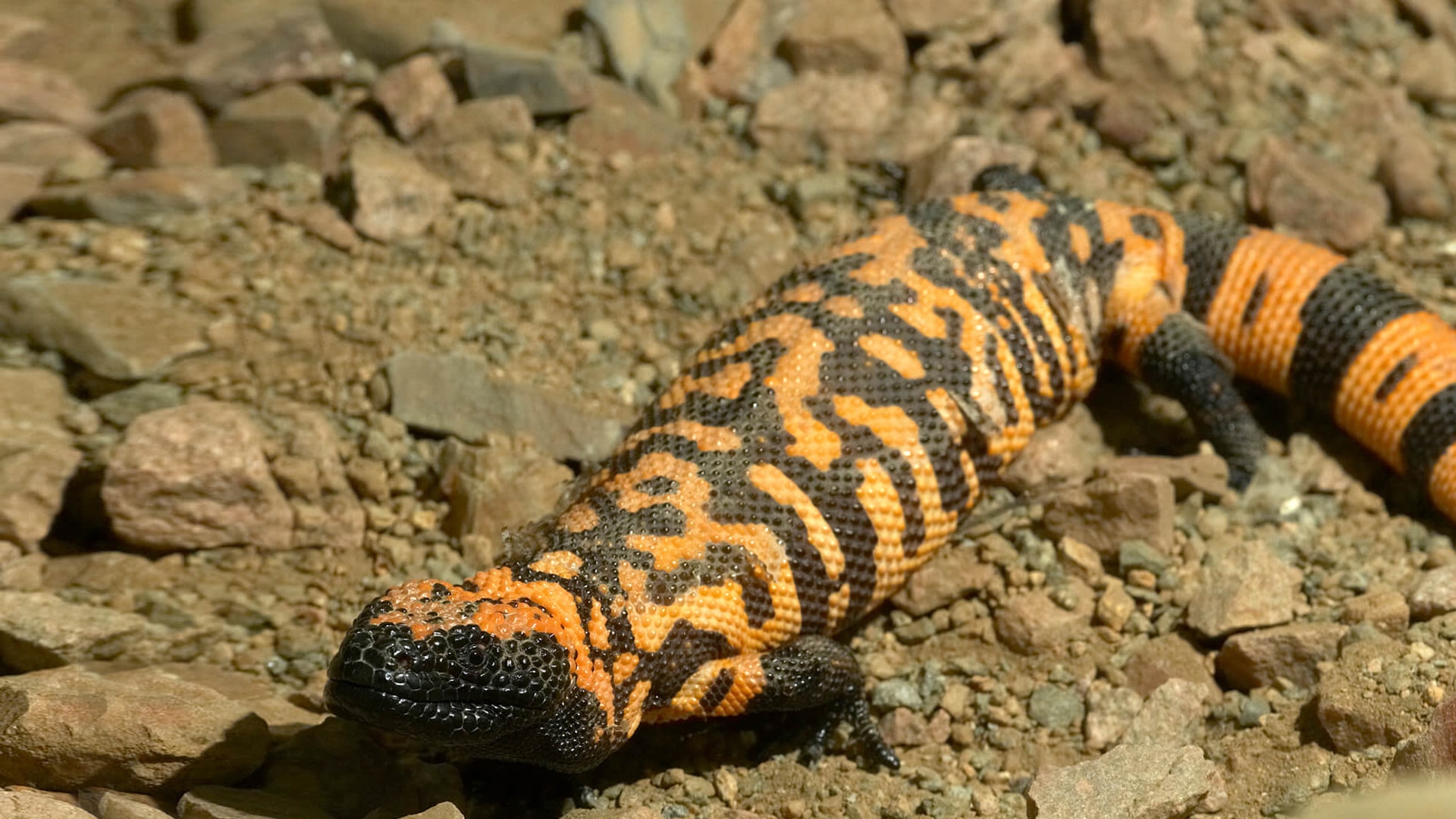
The Gila monster holds the distinction of being North America’s only native venomous lizard, a prehistoric-looking creature that can grow over 20 inches long and weigh more than two pounds. These stocky reptiles sport distinctive orange, pink, and black beadlike scales that serve as warning coloration to potential threats.
Gila monsters produce venom in modified salivary glands, delivering it through grooved teeth rather than hollow fangs. Their bite-and-hold technique allows venom to flow into wounds through capillary action, causing excruciating pain, swelling, and potentially fatal systemic effects. Medical literature documents cases of respiratory distress, cardiovascular complications, and death following Gila monster envenomation.
These desert dwellers spend 95% of their lives underground in burrows, emerging primarily during Arizona’s brief spring activity period and after summer rains. Their slow, deliberate movements might suggest they’re harmless, but Gila monsters can move surprisingly quickly when threatened and have incredibly strong jaws that make removal difficult once they bite.
Important Note: Gila monsters are protected by Arizona law—harassing, capturing, or killing them carries significant legal penalties in addition to bite risks.
Their diet consists primarily of bird and reptile eggs, small mammals, and nestling birds. Gila monsters can consume up to one-third of their body weight in a single feeding, then survive for months without eating again. This feast-or-famine lifestyle means encounters might involve hungry, more aggressive individuals.
The species demonstrates remarkable longevity, with some individuals living over 20 years in the wild. Their excellent memory allows them to return to productive feeding areas year after year, potentially creating predictable encounter zones in areas with suitable nesting sites.
Black widow spider
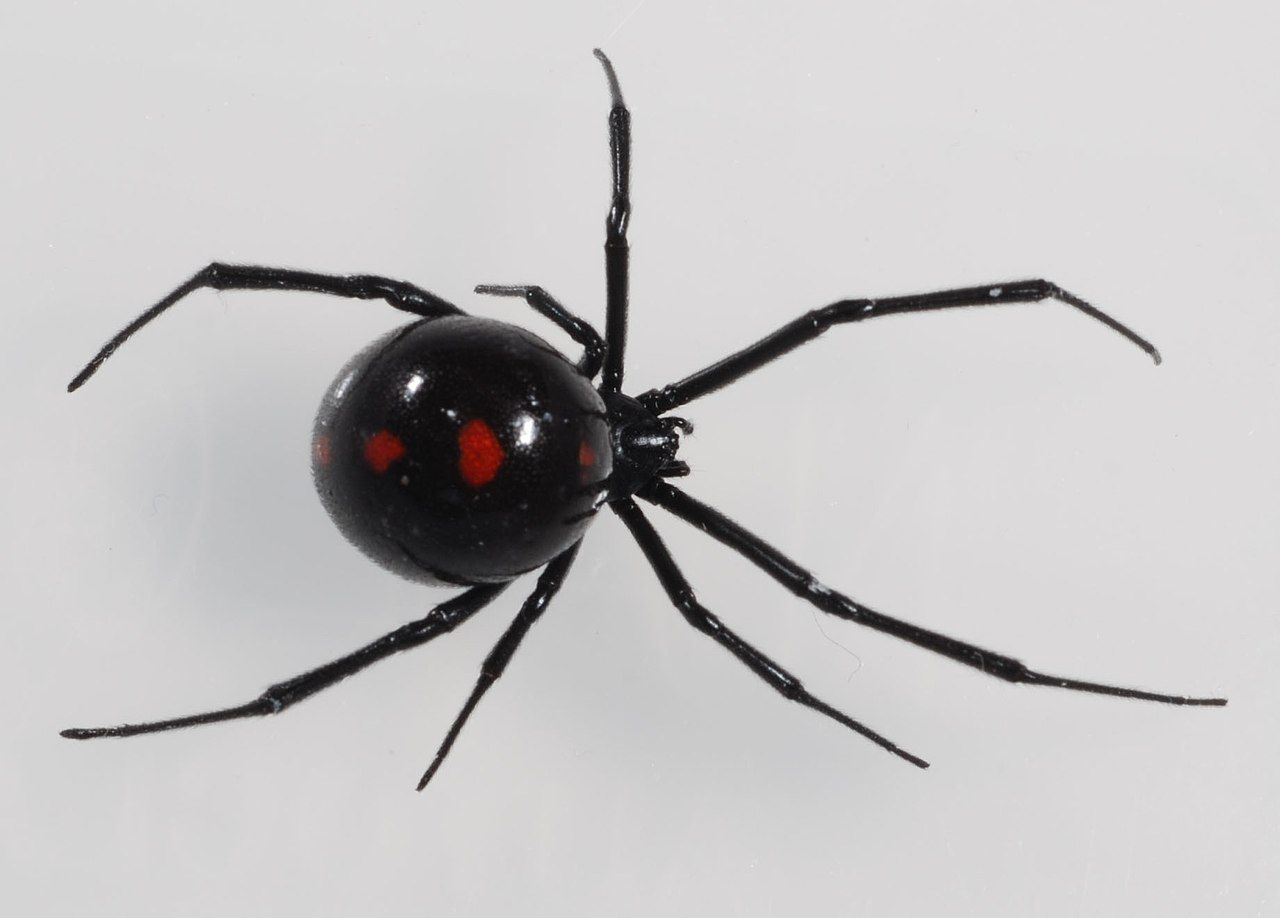
Arizona’s black widow spiders rank among North America’s most venomous arachnids, with neurotoxic venom 15 times more potent than rattlesnake venom. Adult females, distinguished by their glossy black bodies and distinctive red hourglass markings, can inject enough venom to kill children, elderly individuals, or people with compromised immune systems.
These spiders construct irregular webs in dark, protected locations such as woodpiles, sheds, outdoor furniture, and rock crevices. Female black widows, measuring up to 1.5 inches including legs, are the dangerous sex—males are much smaller and lack sufficient venom to harm humans. The species thrives in Arizona’s warm climate, remaining active year-round in many areas.
Common Mistake: Assuming black widow bites are always immediately painful—many victims don’t feel the initial bite and only notice symptoms when systemic effects begin hours later.
Black widow venom contains latrotoxin, which attacks the nervous system and causes muscle paralysis, severe abdominal pain, nausea, and breathing difficulties. Bite statistics show that while deaths are rare with modern medical care, untreated bites can result in respiratory failure and cardiac arrest.
The spiders are most active during warm weather, though Arizona’s mild winters allow year-round activity in protected locations. They’re particularly common around human habitations where insects—their primary food source—concentrate around lights and food sources. Egg sacs can contain hundreds of spiderlings, leading to sudden population explosions in favorable locations.
Their web-building behavior creates danger zones in commonly accessed areas. Garden sheds, outdoor storage areas, and children’s play equipment provide ideal habitat, making routine property maintenance a high-risk activity without proper precautions.
Brown recluse spider
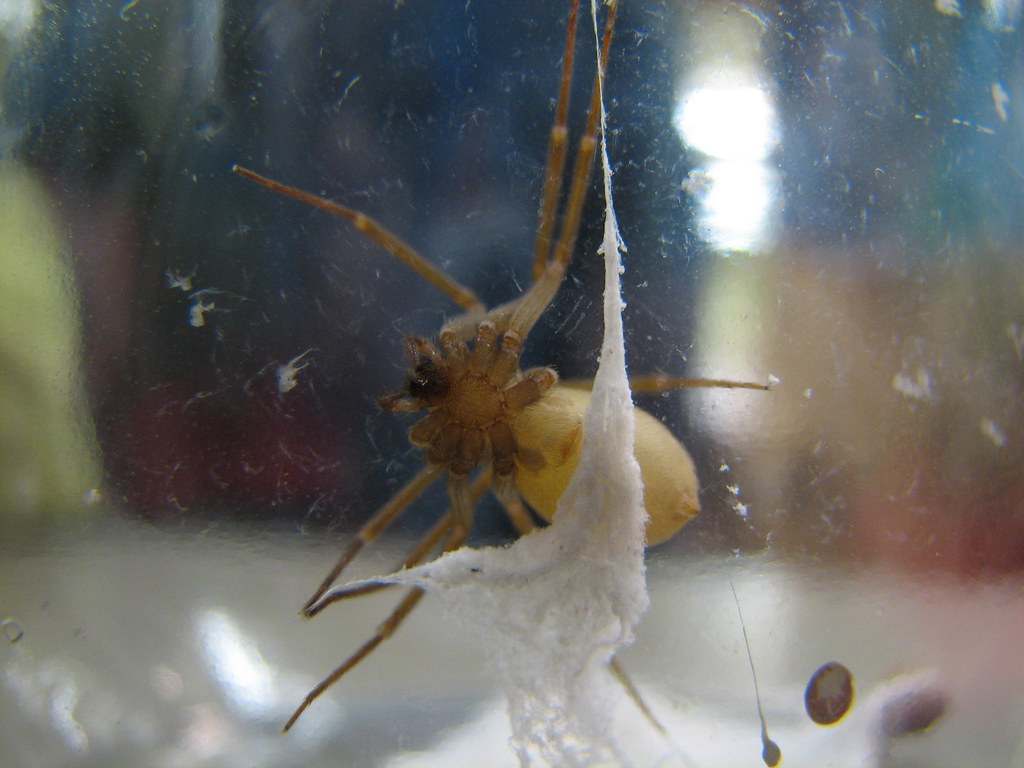
Arizona hosts several species of brown spiders closely related to the infamous brown recluse, with bites capable of causing severe tissue necrosis, permanent disfigurement, and death in extreme cases. These small, inconspicuous arachnids measure only 6-20mm in body length but possess venom containing sphingomyelinase D, an enzyme that destroys cell membranes and blood vessels.
Brown spider bites often go unnoticed initially, with victims attributing minor discomfort to insect bites or minor injuries. The signature violin-shaped marking on their cephalothorax provides identification, though this feature can be difficult to see on living specimens. Clinical studies show that bite symptoms can take 8+ hours to develop, creating dangerous delays in medical treatment.
Key Insight: Brown spider bites can progress from minor irritation to massive tissue destruction over 24-72 hours, making early medical intervention crucial even for seemingly minor wounds.
The necrotic lesions caused by brown spider venom start as small red areas that gradually expand into deep, crater-like wounds. These lesions heal slowly and often require surgical intervention including skin grafts. Secondary bacterial infections commonly complicate healing, sometimes leading to sepsis and death.
Brown spiders prefer undisturbed areas such as closets, basements, and storage areas where they hunt other spiders and insects. They’re particularly common in areas with cardboard boxes, old clothing, and accumulated debris that provides hiding places and hunting grounds.
Their defensive nature means bites typically occur when spiders become trapped against human skin by clothing or bedding. Shaking out clothes, shoes, and bedding before use significantly reduces encounter risks in areas where these spiders are common.
Arizona bark scorpion
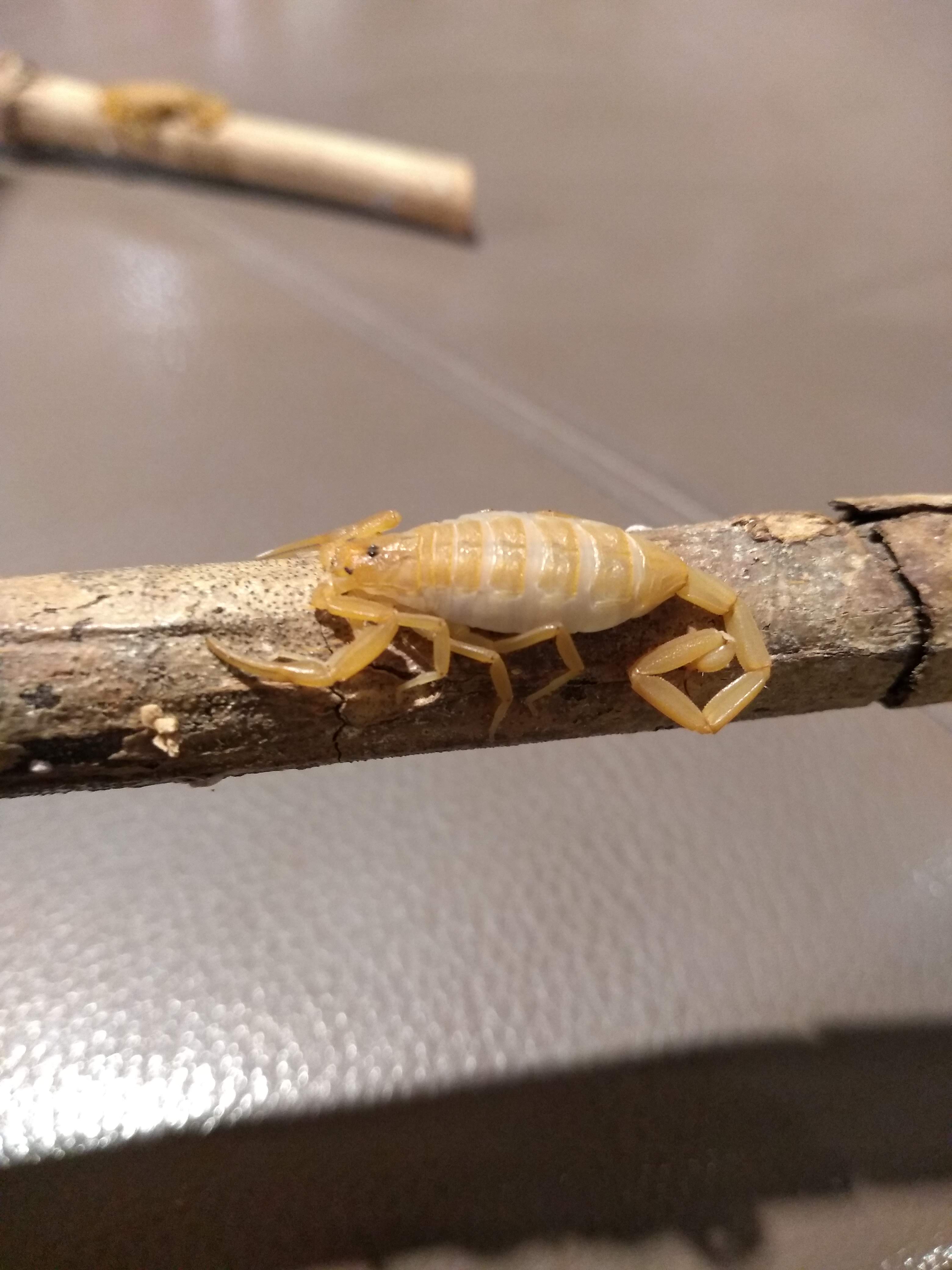
The Arizona bark scorpion holds the dubious honor of being the most venomous scorpion in North America, with neurotoxic venom capable of causing respiratory paralysis and death, particularly in children and elderly individuals. These pale, translucent arachnids measure 2-3 inches in length and can climb walls, hang from ceilings, and squeeze through gaps as narrow as a credit card.
Arizona reports over 11,500 scorpion stings annually, more than any other state, with bark scorpions responsible for most medically significant envenomations. Their venom contains neurotoxins that cause severe pain, numbness, difficulty swallowing, muscle spasms, and convulsions. Medical data shows that while antivenom has dramatically reduced fatalities, untreated stings can still result in death.
Pro Tip: Arizona bark scorpions glow bright blue-green under UV light, making blacklight inspections an effective safety measure for outdoor activities and home checks.
These nocturnal hunters become active after sunset, seeking insects, spiders, and other scorpions. Their excellent climbing abilities allow them to access virtually any area of human habitation, including inside homes where they hide in shoes, clothing, and bedding during daylight hours. Unlike other scorpion species, bark scorpions can climb smooth surfaces and often fall from ceilings onto sleeping humans.
The species demonstrates remarkable cold tolerance for a desert arachnid, remaining active throughout Arizona’s mild winters. Their ability to slow their metabolism allows survival without food for over a year, meaning established populations can persist in areas even after pest control efforts.
Female bark scorpions carry their young on their backs for several weeks after birth, with litters potentially containing 25-35 offspring. This reproductive strategy can lead to sudden population explosions in favorable habitats, creating dangerous hotspots around human dwellings.
Striped bark scorpion
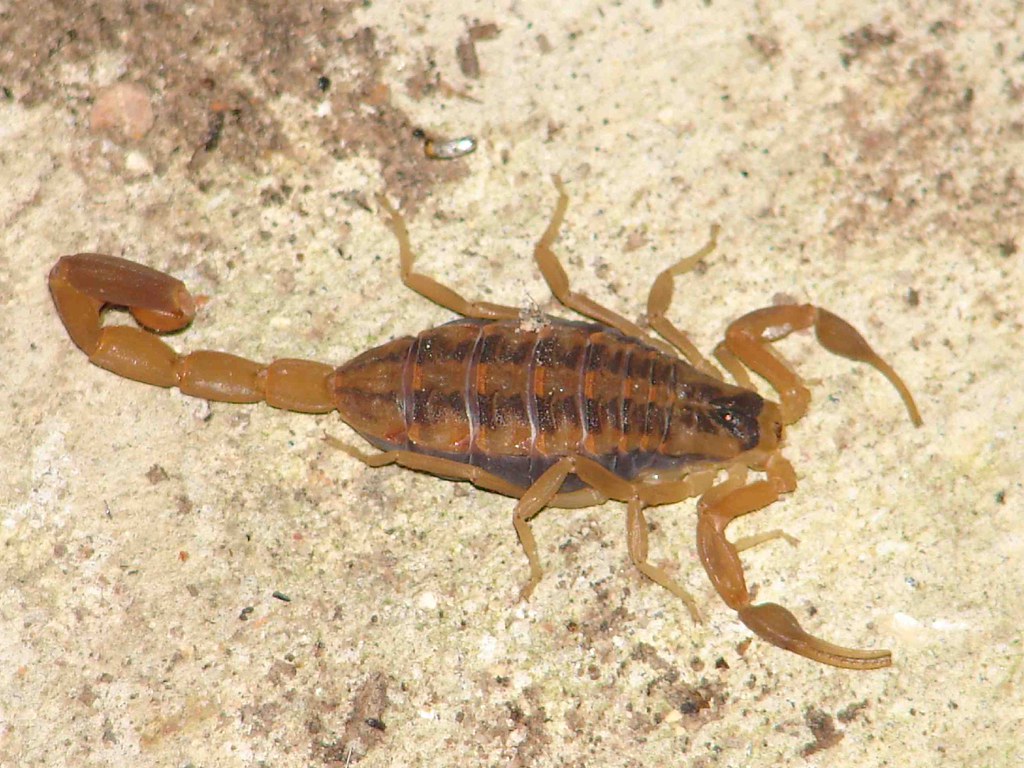
While less venomous than their Arizona bark scorpion cousins, striped bark scorpions still possess neurotoxic venom capable of causing severe medical complications and potential death in vulnerable individuals. These larger scorpions, reaching up to 4 inches in length, display distinctive dark stripes running lengthwise along their backs.
Striped bark scorpions prefer rocky habitats and are commonly found under stones, logs, and bark—hence their name. Their larger size allows them to inject more venom per sting, though the toxicity is generally lower than Arizona bark scorpions. Toxicology research indicates their venom can still cause systemic effects including cardiovascular complications.
The species demonstrates more defensive behavior than Arizona bark scorpions, often raising their pincers and tail in threat displays before stinging. This defensive posturing provides warning opportunities that might prevent accidental encounters, though cornered or surprised individuals will sting readily.
Important Note: Striped bark scorpions are more commonly encountered during outdoor activities due to their preference for natural rocky habitats rather than human structures.
Their diet includes insects, spiders, and smaller scorpions, with larger individuals occasionally taking small vertebrates such as lizards. Hunting occurs primarily at night when they emerge from daytime shelters to patrol territories that can span several hundred square meters.
Mating behavior involves elaborate courtship dances where males grasp females’ pincers and lead them in complex movements. These courtship areas can become concentration points where multiple scorpions gather, creating heightened encounter risks for humans who unknowingly enter these zones.
Mountain lion (cougar)
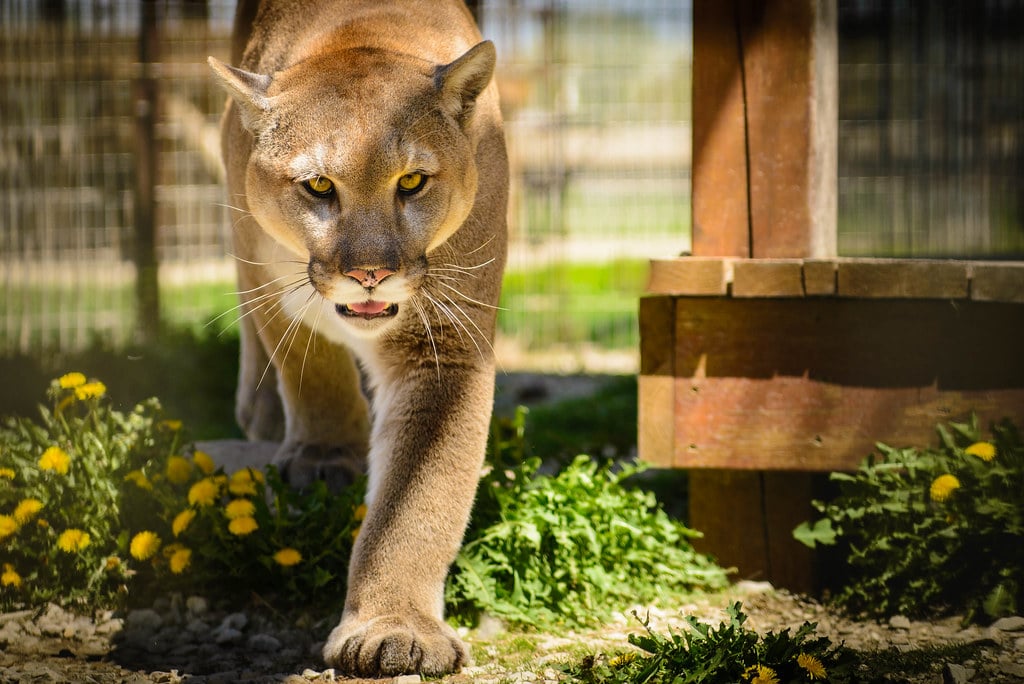
Mountain lions represent Arizona’s apex predator, with adult animals capable of killing humans through crushing bite force and razor-sharp claws. These powerful cats weigh 80-160 pounds and can leap vertically up to 15 feet, making them formidable hunters capable of taking down prey much larger than themselves.
Arizona’s mountain lion population, estimated at 2,500-3,000 individuals, inhabits mountainous regions throughout the state. While attacks on humans remain rare, wildlife statistics show that encounters are increasing as human development encroaches on traditional lion habitat. Most attacks involve children or individuals engaged in solitary activities such as hiking or jogging.
Key Insight: Mountain lions are ambush predators that prefer to attack from behind, targeting the neck and head to deliver quickly fatal injuries.
These solitary cats require territories spanning 50-300 square miles, bringing them into inevitable conflict with human activities in interface areas. Their primary prey includes deer, elk, and javelinas, but hungry or desperate individuals will attack humans, particularly in areas where natural prey has been depleted.
Mountain lion hunting behavior involves patient stalking followed by explosive attacks from concealment. Their padded feet allow nearly silent movement, and their tawny coloration provides excellent camouflage in Arizona’s rocky terrain. Once they commit to an attack, their speed and power make escape virtually impossible.
Cubs learning to hunt pose particular dangers as they lack the refined skills to distinguish appropriate prey, sometimes approaching humans out of curiosity or inexperience. Mother lions defending cubs represent another high-risk scenario, as they will attack perceived threats aggressively and without warning.
Black bear (in forested areas)
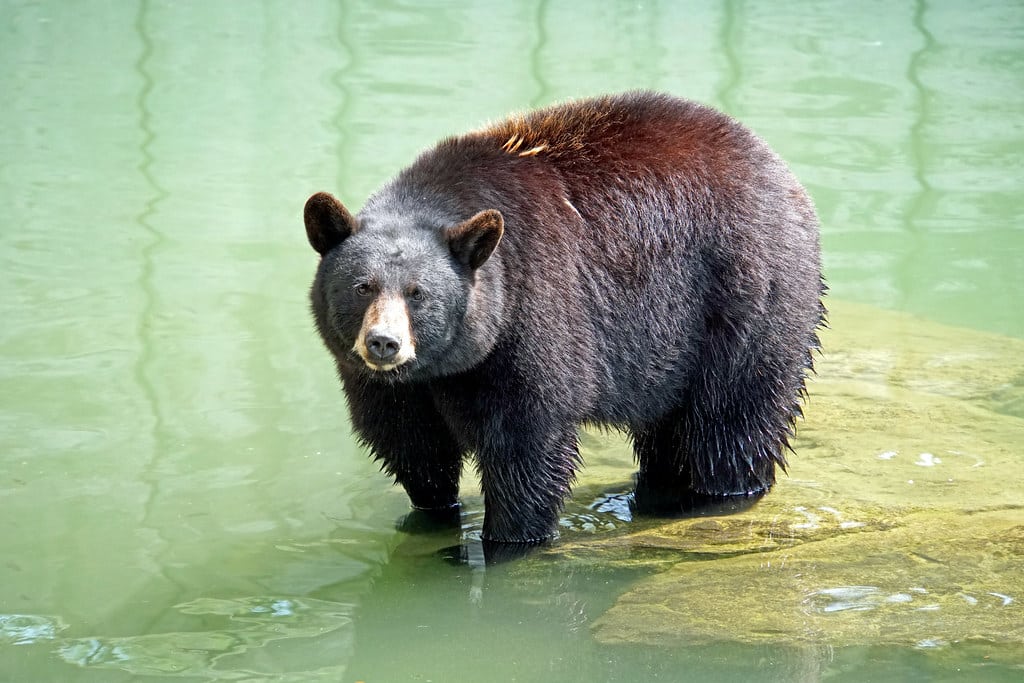
Arizona’s black bear population of approximately 3,000 individuals inhabits the forested regions north and east of Phoenix, where these powerful omnivores can weigh up to 400 pounds and run 30 miles per hour. Despite their name, Arizona black bears range in color from black to brown, cinnamon, and even blonde, making identification challenging for inexperienced observers.
Black bear attacks in Arizona remain rare but can be fatal, particularly when bears are surprised, defending cubs, or protecting food sources. Wildlife conflict data shows that most problematic encounters involve bears accessing human food sources, leading to habituation and aggressive behavior around humans.
Pro Tip: Black bears have excellent memories and will return repeatedly to locations where they’ve found food, making proper food storage critical in bear country.
These intelligent animals demonstrate remarkable adaptability, learning to open car doors, break into homes, and access supposedly bear-proof containers. Their omnivorous diet includes everything from insects and berries to small mammals and carrion, but high-calorie human foods create powerful attractants that can override their natural wariness.
Bear behavior varies dramatically with seasons, food availability, and individual experience. Spring bears emerging from hibernation are often hungry and more likely to take risks around humans. Fall bears preparing for winter hibernation become hyperphagic, consuming up to 20,000 calories daily and aggressively defending food sources.
Mother bears with cubs represent the highest risk scenario, as they will attack any perceived threat to their offspring. Cubs often appear playful and approachable, but mother bears may be nearby and ready to charge at the first sign of human interaction with their young.
Feral hogs
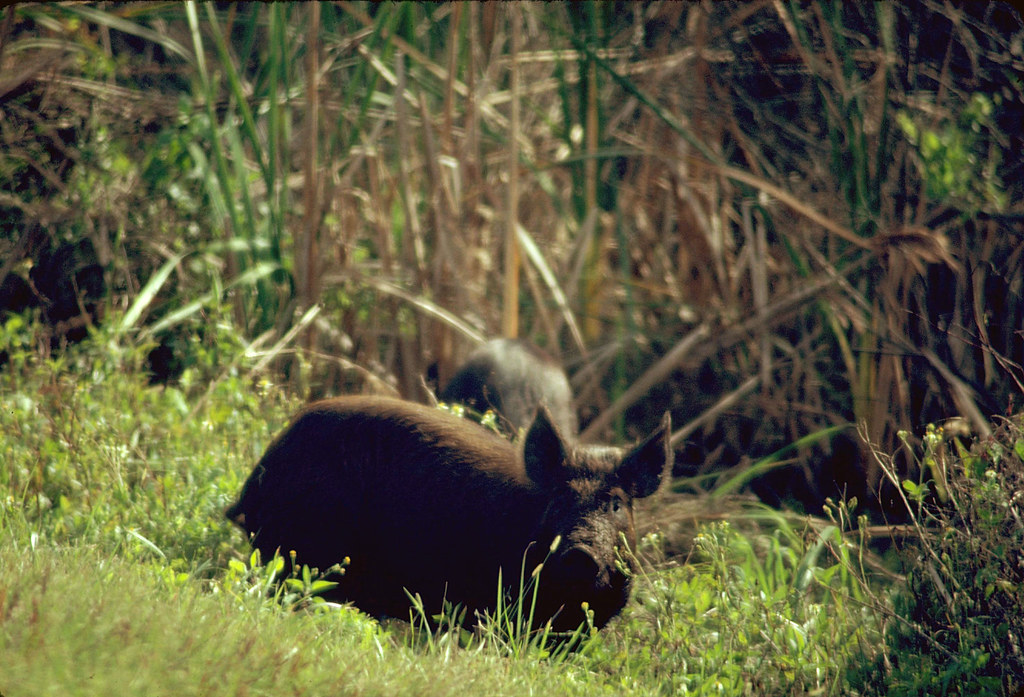
Arizona’s rapidly expanding feral hog population poses significant dangers through their aggressive nature, disease transmission potential, and unpredictable behavior around humans. These invasive animals, weighing up to 400 pounds, possess sharp tusks and powerful jaws capable of inflicting fatal injuries through slashing wounds and crushing bite force.
Feral hogs demonstrate remarkable intelligence and adaptability, learning to avoid human detection while expanding their range throughout Arizona’s diverse habitats. Wildlife management studies indicate these animals carry numerous diseases transmissible to humans, including brucellosis, tularemia, and various parasites that can cause serious health complications.
Important Note: Feral hogs are extremely protective of their young and will charge humans who unknowingly approach nursery areas, inflicting severe injuries with their tusks.
Their omnivorous diet and destructive foraging behavior bring them into frequent conflict with human activities. Groups of hogs can destroy landscaping, agricultural crops, and natural areas while searching for food, creating economic losses and habitat degradation that affects other wildlife species.
Feral hog social structure revolves around family groups led by dominant sows, with groups sometimes containing 20+ individuals. When threatened, these groups may coordinate defensive attacks that can overwhelm individual humans through sheer numbers and aggressive behavior.
Their nocturnal activity patterns increase encounter risks during camping and outdoor recreation activities. Feral hogs often investigate campsites for food scraps, potentially leading to dangerous confrontations when surprised humans and protective hogs meet unexpectedly in darkness.
American bison (in some regions, can be aggressive)
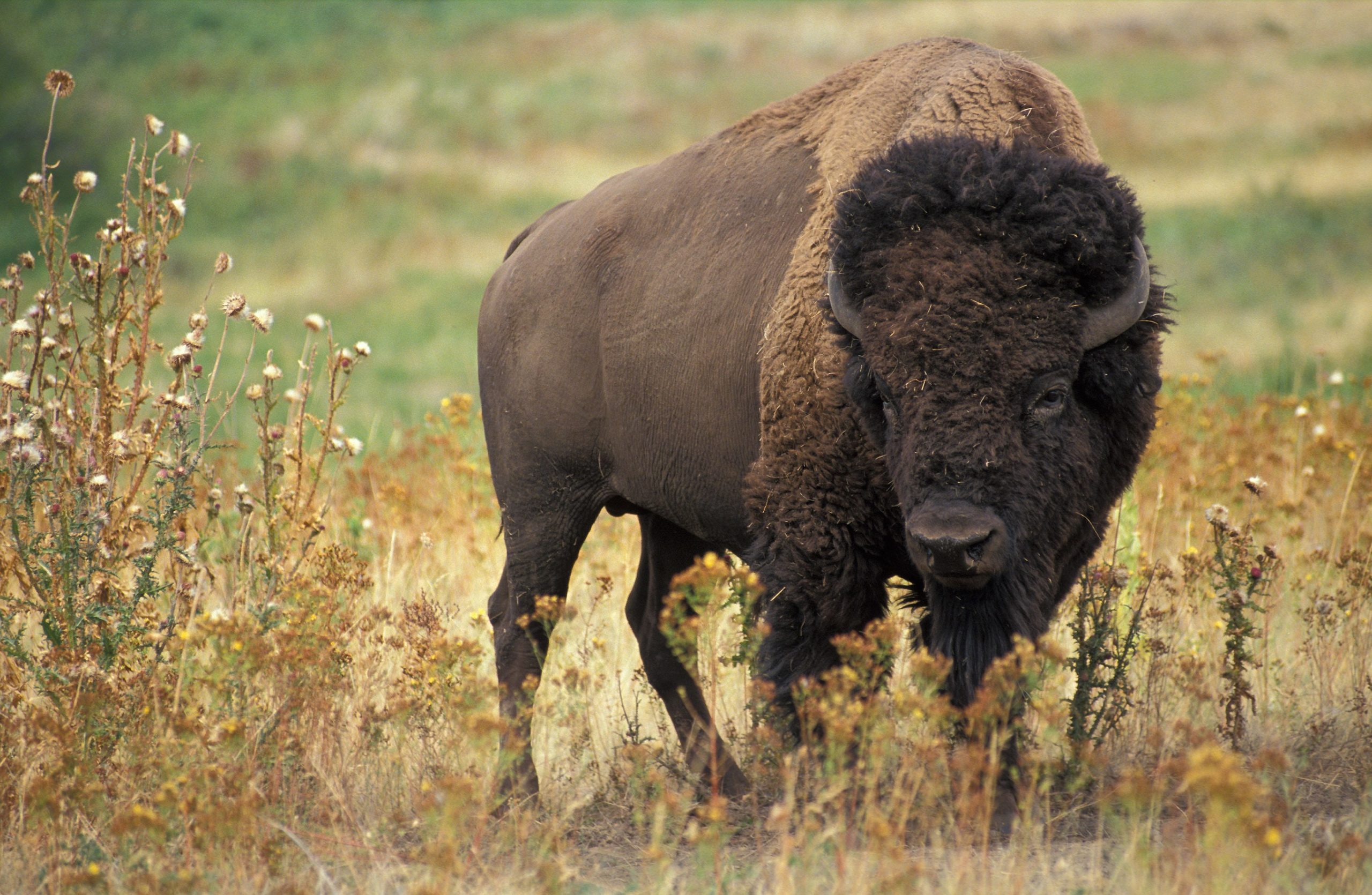
While American bison populations in Arizona remain limited to specific conservation areas and private ranches, these massive animals pose significant dangers when encountered. Adult bulls can weigh over 2,000 pounds and run 35 miles per hour, making them capable of inflicting fatal injuries through trampling, goring, or crushing.
Bison behavior can change rapidly from seemingly docile grazing to explosive aggression, particularly during rutting season when bulls become extremely territorial and unpredictable. National Park Service data from other states shows that bison injure more visitors than any other large mammal, with attacks often occurring when people approach too closely for photographs.
Common Mistake: Assuming bison are domesticated cattle—these wild animals can attack without warning and will aggressively defend their territory and young.
Their deceptively calm appearance masks lightning-fast reflexes and incredible agility for animals of their size. Bison can pivot instantly and charge at speeds that make human escape impossible across open ground. Their massive heads and curved horns create battering rams capable of crushing vehicles and buildings.
Protective behavior around calves makes mother bison particularly dangerous during spring and early summer calving seasons. These animals will charge any perceived threat to their offspring, including vehicles, horses, and groups of people who venture too close to nursery areas.
The species’ excellent memory allows them to recognize and avoid threats, but also to remember and retaliate against individuals or situations they perceive as dangerous. This cognitive ability makes them more unpredictable than purely instinct-driven animals.
Africanized honey bees (“killer bees”)
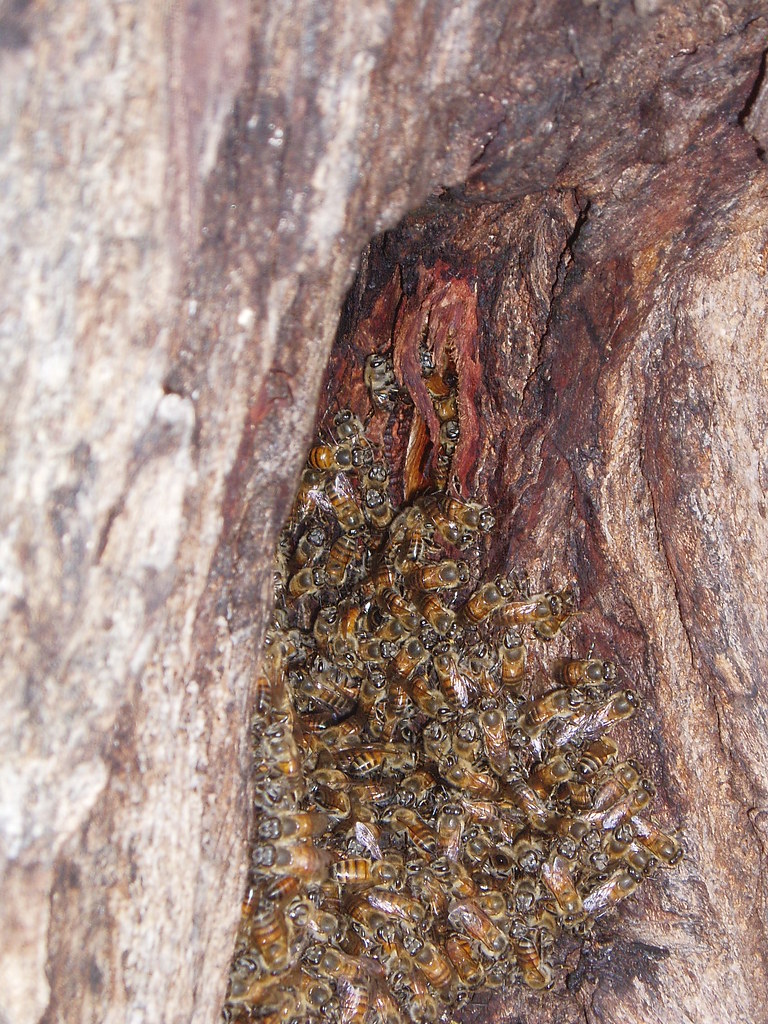
Africanized honey bees, commonly called “killer bees,” have colonized most of Arizona since their arrival in the 1990s, creating a serious public health threat through their extremely aggressive swarming behavior. These bees look identical to European honey bees but demonstrate dramatically different defensive responses, pursuing perceived threats for up to a quarter-mile while stinging in massive numbers.
Individual Africanized bee stings contain the same venom as regular honey bees, but their swarming behavior can result in hundreds or thousands of stings that overwhelm victims with toxic venom loads. Medical emergency data shows that killer bee attacks have resulted in over 1,000 human deaths since their spread began, with Arizona experiencing multiple fatalities annually.
Key Insight: Africanized bees will swarm and attack for seemingly minor disturbances such as lawn mowing, construction noise, or even vibrations from nearby activities.
These aggressive insects establish colonies in virtually any protected space, including water meter boxes, hollow trees, abandoned vehicles, and building wall voids. Their smaller colony size requirements allow establishment in urban areas where European bees cannot survive, creating danger zones in residential neighborhoods.
Swarm attacks typically begin when scout bees detect threats and release alarm pheromones that trigger mass defensive responses. Once an attack begins, the pheromones can persist for hours, causing additional bees to join the assault and continue attacking anyone in the area.
Escape strategies involve running in straight lines toward enclosed shelter while protecting the head and face. Water submersion provides temporary relief, but bees will often wait at the surface for victims to emerge, making this a short-term survival tactic rather than a permanent solution.
Tarantula hawk wasp (painful sting, not deadly)
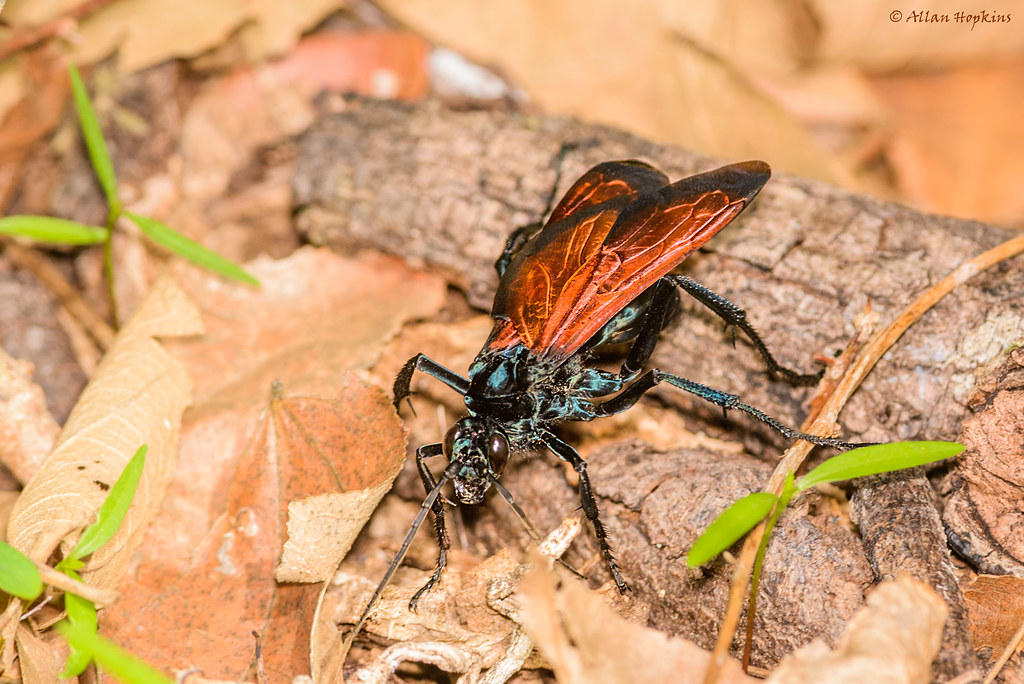
While technically not deadly to humans, tarantula hawk wasps deliver stings rated among the most painful experiences possible, with entomologist descriptions including recommendations to “lie down and scream” until the agony subsides. These massive wasps, reaching up to 2 inches in length, possess stingers capable of penetrating most clothing and injecting venom that causes immediate, excruciating pain.
Female tarantula hawks hunt their namesake spiders to provision their nests, using their incredibly potent venom to paralyze prey many times their size. The same neurotoxic venom that immobilizes tarantulas creates intense, electric-shock-like pain in humans that can last up to 5 minutes of pure agony.
Pro Tip: Only female tarantula hawks can sting, but distinguishing sexes requires close observation that’s inadvisable given their aggressive nature when threatened.
These solitary wasps demonstrate remarkably docile behavior most of the time, often ignoring humans completely while searching for flowers or hunting spiders. However, when threatened or accidentally contacted, they will sting readily and repeatedly, with each sting delivering a fresh dose of their notorious venom.
Tarantula hawks remain active during Arizona’s hottest months when many other insects seek shelter, making summer outdoor activities particularly risky for encounters. Their size and loud buzzing flight make them easily noticeable, providing warning opportunities for those who recognize the threat they represent.
The species’ preference for sandy soils and areas with abundant tarantula populations means encounters are most likely in undeveloped desert areas where hiking and camping activities occur. Their ground-nesting behavior creates additional risks for people who unknowingly disturb nest sites.
Safety Strategies and Prevention
Understanding Arizona’s dangerous animals is only the first step in desert survival. Implementing comprehensive safety strategies can mean the difference between enjoying Arizona’s natural beauty and becoming another wildlife encounter statistic.
| Activity | Primary Risks | Essential Precautions |
|---|---|---|
| Day Hiking | Rattlesnakes, scorpions, mountain lions | Sturdy boots, long pants, hiking poles, noise making |
| Night Activities | Scorpions, feral hogs, Africanized bees | UV flashlight, closed-toe shoes, avoid perfumes |
| Camping | Black bears, mountain lions, various venomous species | Proper food storage, perimeter checks, first aid supplies |
| Rock Climbing | Speckled rattlesnakes, black widows, bark scorpions | Glove use, visual inspection, buddy system |
Pro Tip: Carry a comprehensive first aid kit that includes instructions for venomous bites and stings—cell phone coverage is unreliable in many areas where dangerous animals are most common.
Seasonal awareness plays a crucial role in risk management. Spring emergence periods see hungry, aggressive animals after winter dormancy. Summer heat drives many species into human-modified environments seeking water and shade. Fall breeding seasons create territorial and protective behaviors that increase attack likelihood.
Weather patterns also influence animal behavior and encounter risks. Monsoon rains activate normally dormant species, while drought conditions concentrate animals around limited water sources where humans also recreate. Temperature fluctuations bring cold-adapted species down from mountains into lower elevation areas with higher human populations.
Emergency preparedness extends beyond first aid to include communication plans, evacuation routes, and knowledge of nearest medical facilities capable of treating envenomations. Many Arizona hospitals stock antivenoms for local species, but transport time can be critical for survival in severe cases.
Arizona’s dangerous animals command respect, not fear. These remarkable species have evolved sophisticated survival strategies over millions of years, and understanding their behavior allows us to coexist safely while appreciating their ecological importance. Whether you’re hiking through saguaro forests, camping in mountain pine country, or simply maintaining your backyard in desert communities, knowledge and preparation provide your best protection against the 19 dangerous animals that call Arizona home.
The key to desert survival lies in recognizing that you’re entering their world, not the other way around. By respecting their space, understanding their behavior, and taking appropriate precautions, you can safely enjoy everything Arizona’s wild places have to offer while avoiding becoming another cautionary tale about dangerous wildlife encounters.